

Subscribe now and get the latest blog posts delivered straight to your inbox.
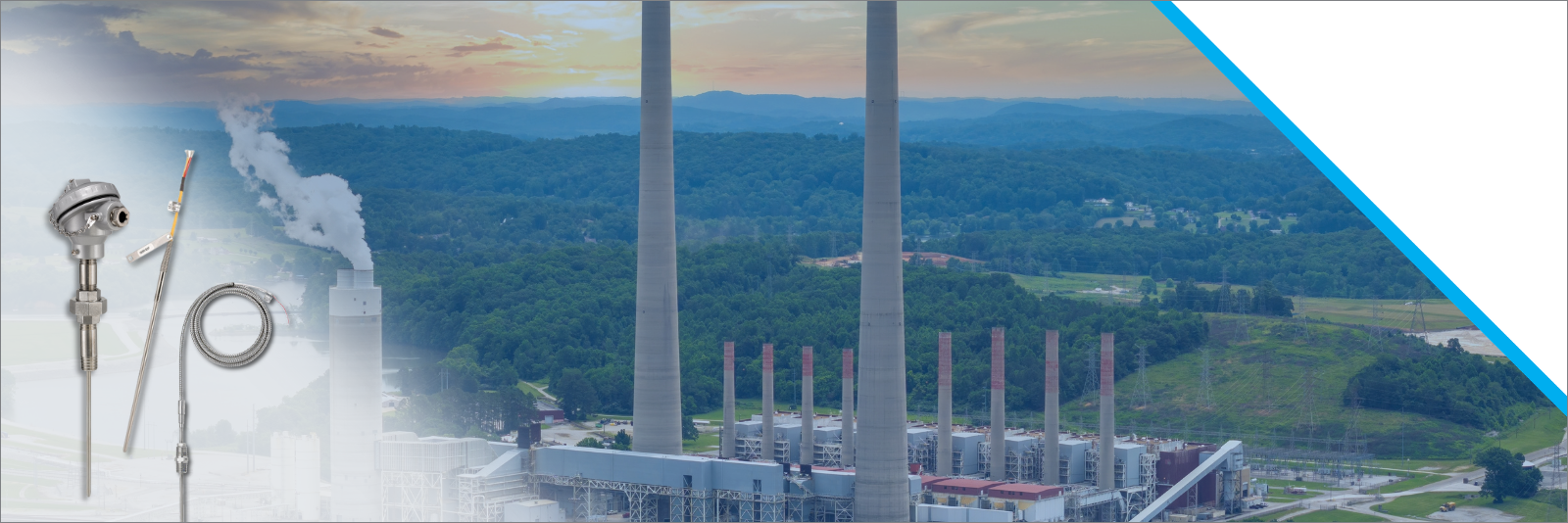
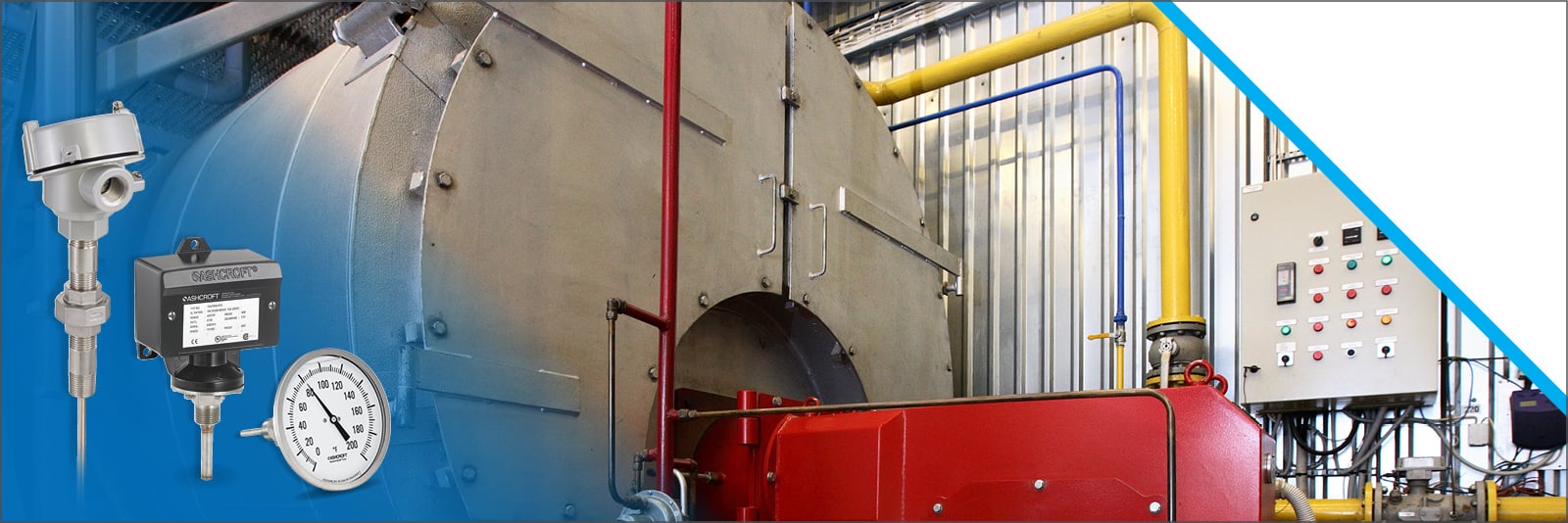
The best temperature instruments for power generation depend on where the measurement is taken. RTDs are often a good fit for repeatable readings at moderate temperatures, while thermocouples suit hotter locations such as turbine exhausts and superheaters. Bimetal thermometers give operators a local reading, and temperature switches can trigger an alarm or shutdown when a setpoint is reached.
The selection also depends on conditions at the measurement point:
- Temperature range and response: How hot does the equipment get, and how quickly must the instrument detect a change?
- Installation conditions: Will the instrument face vibration, pressure, high flow or difficult access?
- Purpose of the reading: Does an operator need a local indication, a continuous signal to the control system or an alarm at a setpoint?
Read this article to learn:
- Why temperature readings matter across a power plant
- Where RTDs, thermocouples, thermometers and switches fit
- How to select instruments by system and measurement point
- When transmitters and thermowells should be considered
Why is temperature measurement important in power generation?
Temperature measurement helps operators assess equipment condition, manage processes and identify readings outside the intended operating range. Its purpose varies by location.
- Equipment condition: Bearing, winding and lubricating oil temperatures can help operators identify developing problems before equipment is damaged.
- Process performance: Steam, exhaust gas and feedwater temperatures provide information used to operate boilers, turbines and heat recovery systems.
- Emissions control: Selective catalytic reduction (SCR) works within a temperature window that depends on the catalyst and flue gas. The U.S. EPA describes this temperature dependence in its SCR fact sheet.
- Alarms and shutdowns: A temperature switch can change contact state at a selected setpoint. Its role in a protective system depends on the equipment design and applicable requirements.
Which types of temperature instruments are used in power plants?
RTDs, thermocouples, bimetal thermometers and temperature switches serve different measurement needs. Many plants use all four.
When is an RTD the best choice?
An RTD is a strong choice when a power plant needs a stable, repeatable reading within the sensor’s specified temperature range. Common measurement points include bearings, lubricating oil, feedwater, generators and pumping equipment.
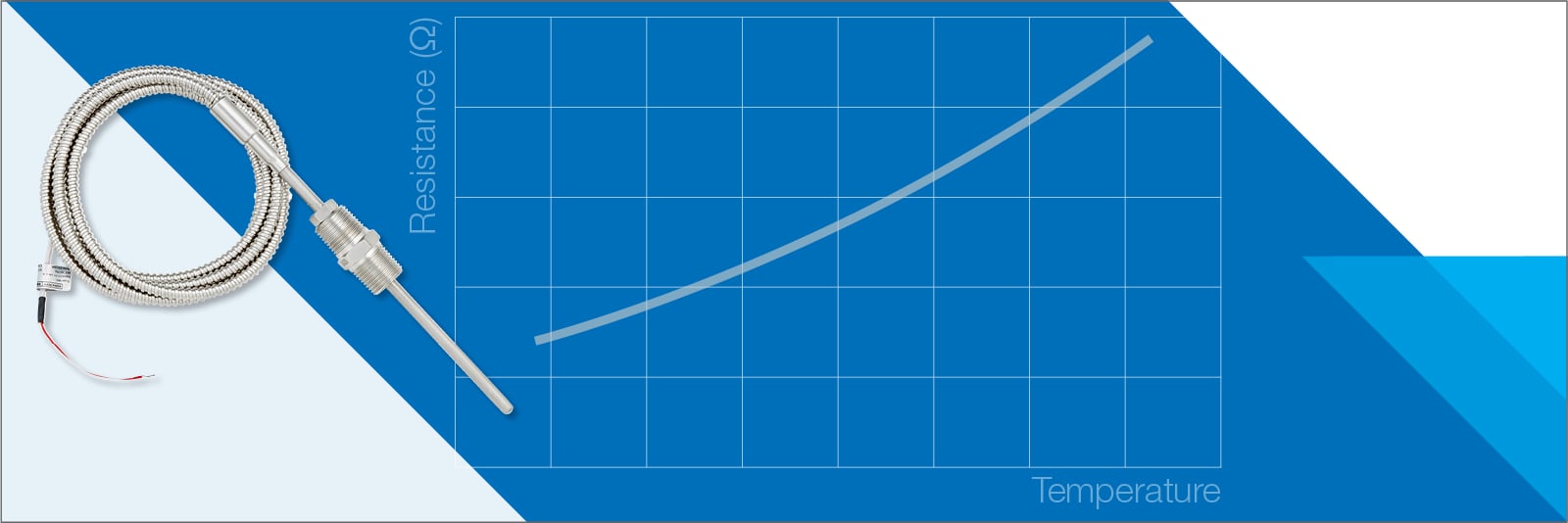
- How it works: An RTD measures temperature through a predictable change in electrical resistance.
- Common elements: Platinum Pt100 and Pt1000 elements are available in different configurations and measuring ranges.
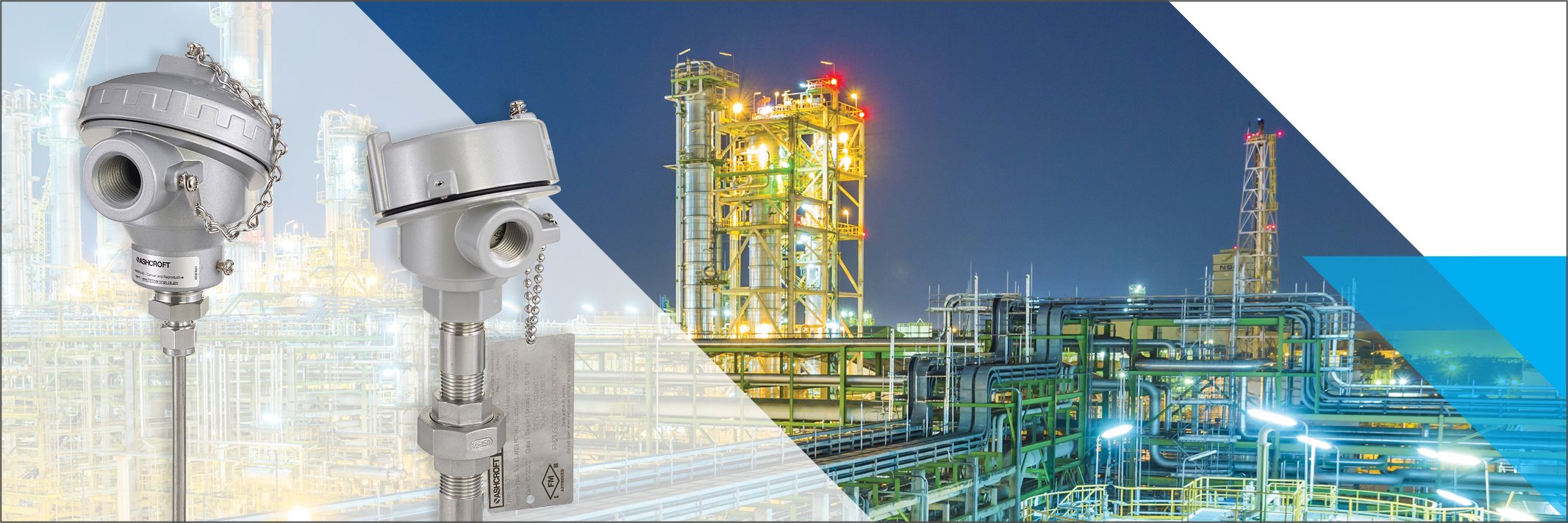
- Product example: The Ashcroft® S50 industrial RTD is offered with Pt100 or Pt1000 elements.
For a closer comparison, see When to Use an RTD vs. a Thermocouple Temperature Sensor.
When is a thermocouple the best choice?
A thermocouple is often the better choice at a high-temperature measurement point, such as a gas turbine exhaust, superheater or hot flue gas path. The thermocouple type and assembly must be selected for the actual operating temperature and environment.
- How it works: A thermocouple generates a small voltage that changes with temperature.
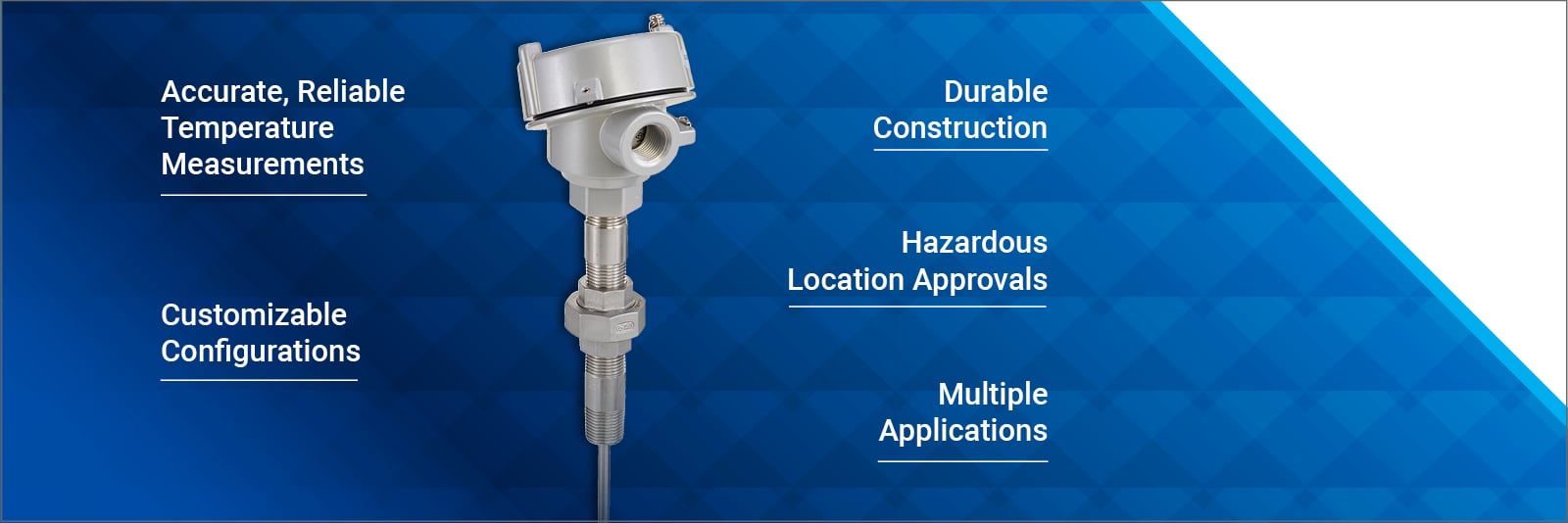
- Product example: The Ashcroft® S50 industrial thermocouple is offered for power generation applications.
- Range to check: The listed Type K measuring range for this S50 assembly reaches 1,000 °C. Check the limits of the complete assembly before specifying it for a hotter point.
When is a bimetal thermometer useful?
A bimetal thermometer is useful when an operator needs to read temperature directly at the equipment without electrical power. It can support operator rounds and provide a separate local indication alongside an electronic measurement.
- Local visibility: Operators can check the dial at the measurement point without accessing the control system.
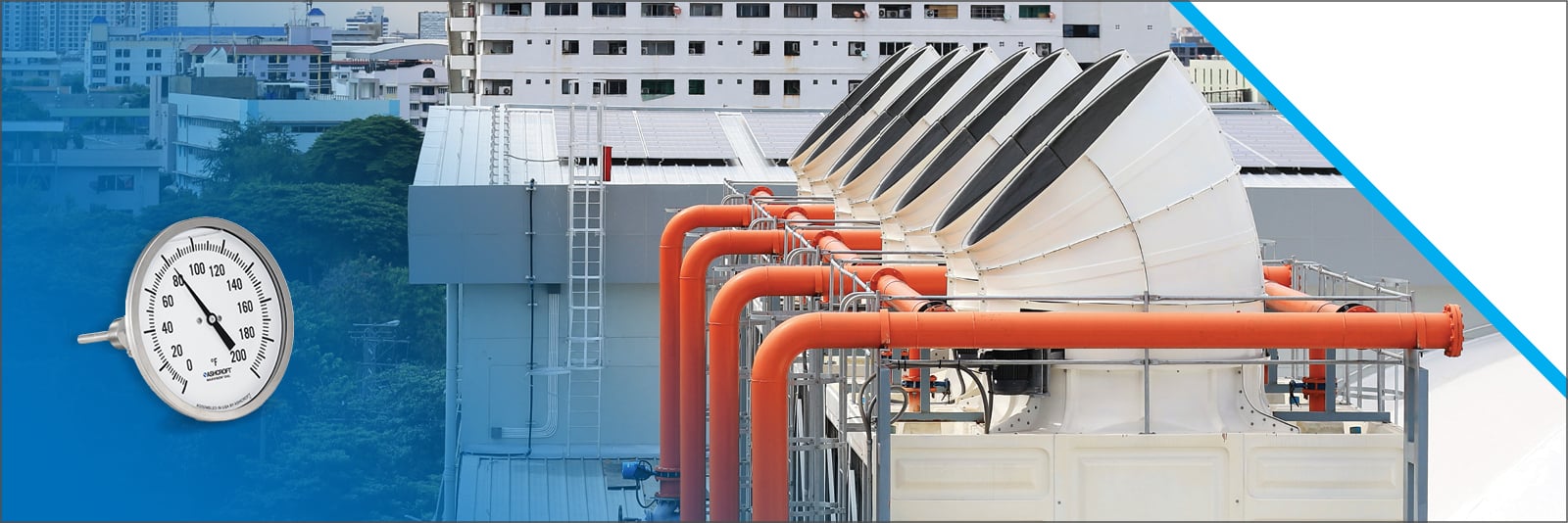
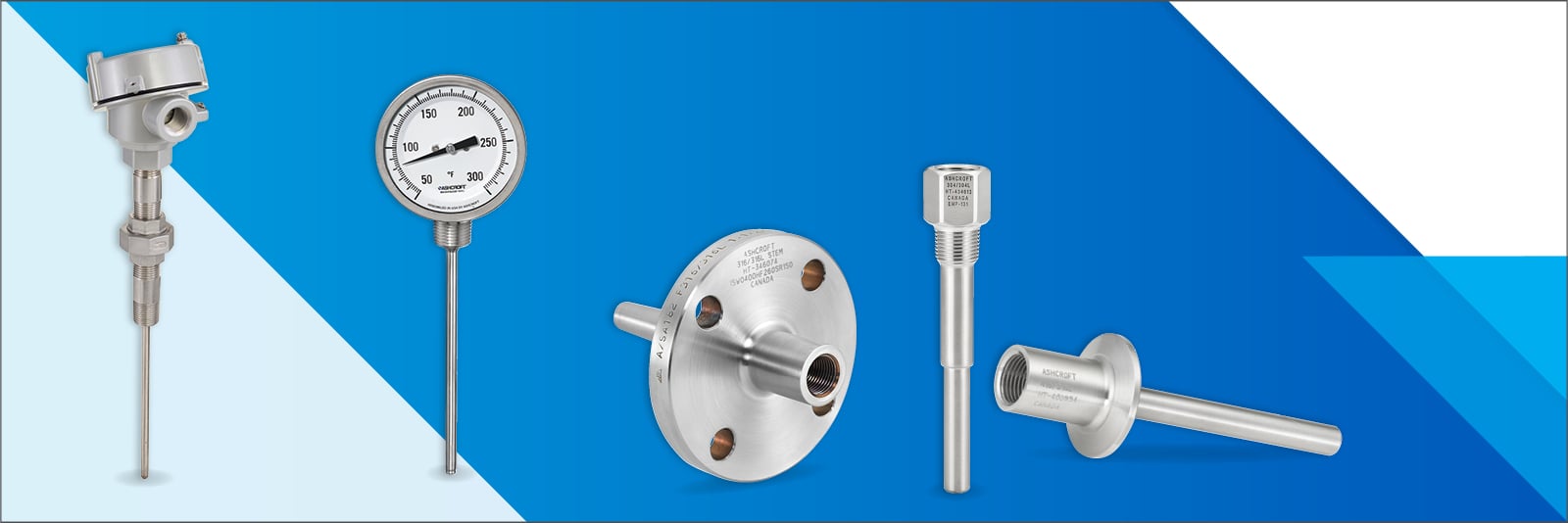
- Product example: The Ashcroft® EL bimetal thermometer offers an Everyangle™ connection to position the dial for viewing.
- Selection limit: Confirm that the thermometer’s available range suits the measurement point. A mechanical dial does not send a reading to the control system.
When should a temperature switch be used?
A temperature switch is used when reaching a setpoint must produce an electrical contact change for an alarm, control action or shutdown sequence. Unlike an RTD or thermocouple, its primary job is to signal that the temperature has crossed a selected limit. For example, in:
- Industrial applications: The Ashcroft® T4 temperature switch is used for alarm, control, and shutdown functions.
- Hazardous locations: The Ashcroft® T7/9 temperature switch offers an explosion-proof enclosure for applicable installations.
- Safety systems: Selected configurations are described as SIL 3 capable. The rating of an installed safety system depends on the complete system design.
How do transmitters and local displays help?
A temperature transmitter converts an RTD or thermocouple signal into an output the control system can use. Depending on the model, it may also provide HART® communication over a 4 to 20 mA loop.
- Control room reading: A transmitter provides a signal that can be sent to the plant’s control system.
- Device information: Models with HART allow configuration and device information to be communicated over the loop.
- Local reading: A display lets an operator check temperature near the measurement point.
Temperature transmitters offered with Ashcroft probe assemblies include head-mounted options and remote-head styles with displays. HART and a display are selectable features, so specify them with the complete sensor and transmitter assembly.
Which instruments fit common power generation systems?
Power generation systems use different instruments at different measurement points. The chart below shows common applications and a starting point for selecting an instrument. Final selection depends on the equipment design, operating conditions and required measurement range.
| System | Common measurement points and instrument choices |
|---|---|
| Gas turbines | Thermocouples for exhaust gas temperature; RTDs for bearings and lubricating oil; switches where a separate temperature setpoint action is required |
| Boilers and steam systems | RTDs for feedwater and other points within their rated range; thermocouples for hotter superheater, reheater or flue gas locations; thermometers for local indication |
| Heat recovery steam generators (HRSGs) | Thermocouples for hotter gas and steam points; RTDs for suitable lower-temperature locations along the water and steam circuit |
| Gas-fired and coal-fired plants | Temperature sensors selected for combustion gas, flue gas and SCR inlet conditions; additional measurements around equipment such as coal pulverizers where applicable |
| Wind and hydropower equipment | RTDs or other sensors specified by the equipment manufacturer for bearings, generators, gearboxes and lubricating systems |
For more detail on boiler and steam measurements, see How to Choose the Right Temperature Instrument for Steam Applications.
How do you protect temperature instruments in power plants?
Instrument life depends on the installation as well as the sensor. Flow, pressure, vibration, thermal cycling and the process medium all affect the assembly selected.
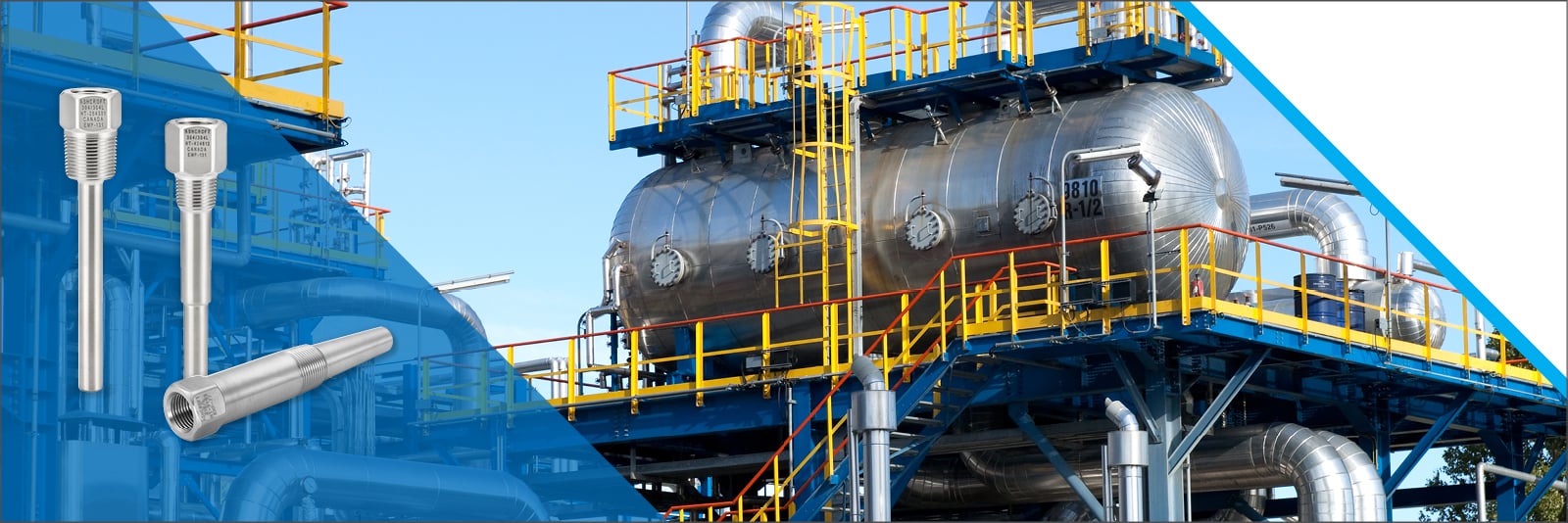
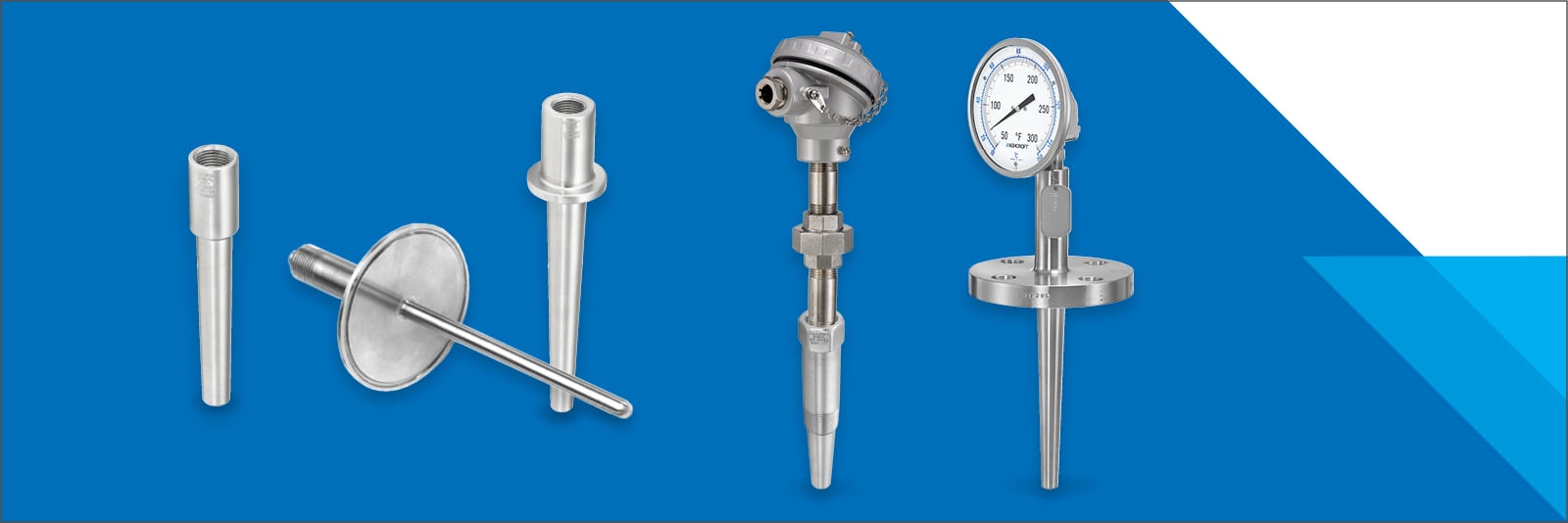
- Evaluate thermowells for process measurements: Thermowells separate an inserted sensor or thermometer from the process and can permit removal of the instrument without opening the process connection. They are not used for every measurement point, such as a surface-mounted bearing sensor.
- Check vibration in flowing service: A thermowell in a high-velocity line needs an engineering review of flow-induced vibration. ASME PTC 19.3 TW addresses thermowell design and wake frequency evaluation.
- Match materials to the process: Pressure, corrosion, erosion and the process media matter, along with temperature, particularly in flue gas and other demanding locations. Use the Material Selector to confirm compatibility.
- Consider heat at the instrument head: Extensions or remote mounting can help place a transmitter or switch enclosure away from excessive ambient or radiant heat.
- Verify approvals where required: A hazardous-area installation needs an instrument configuration and approval appropriate to its classified location.
What is the best way to choose a temperature instrument for power generation?
Start with the measurement point and the job the reading must perform:
- Continuous measurement at moderate temperatures: Consider an RTD within its specified range.
- Continuous measurement at hotter points: Consider a thermocouple with an assembly rated for the location.
- Local indication: Consider a bimetal thermometer where its range and installation suit the application.
- Alarm or shutdown action: Consider a temperature switch with the appropriate setpoint and configuration.
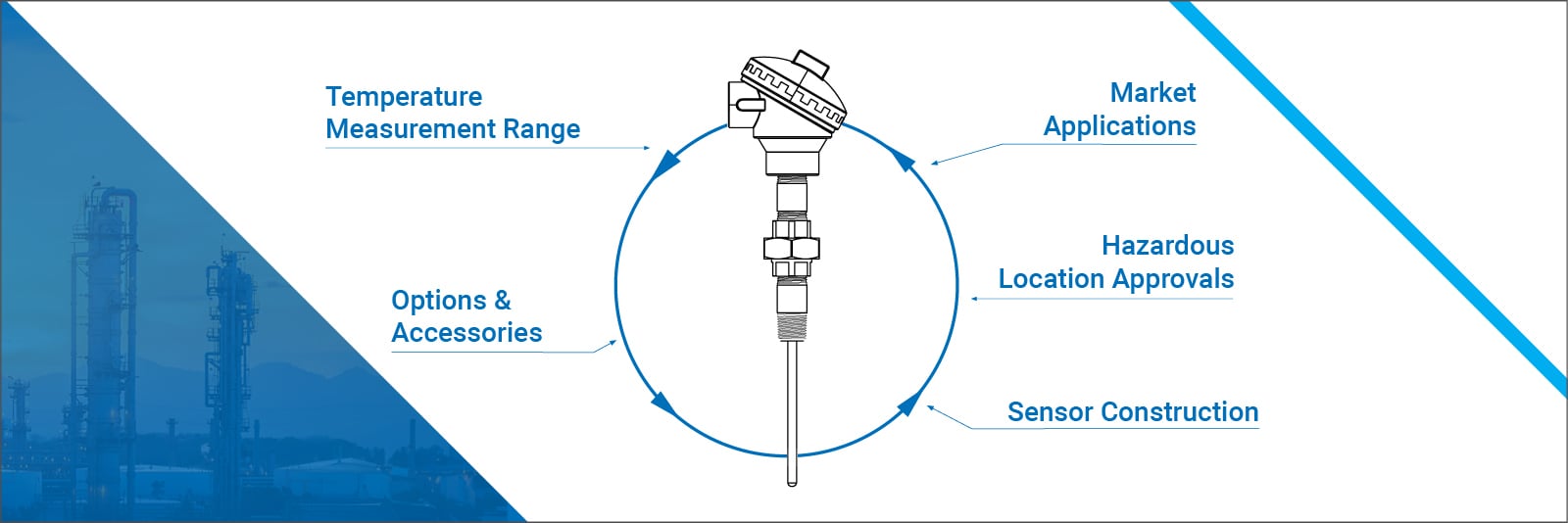
Then specify the output, mounting, process protection and required approvals as part of the complete assembly.
To learn more, explore related temperature instrument resources below, or contact a product expert about a specific measurement point.