

Subscribe now and get the latest blog posts delivered straight to your inbox.
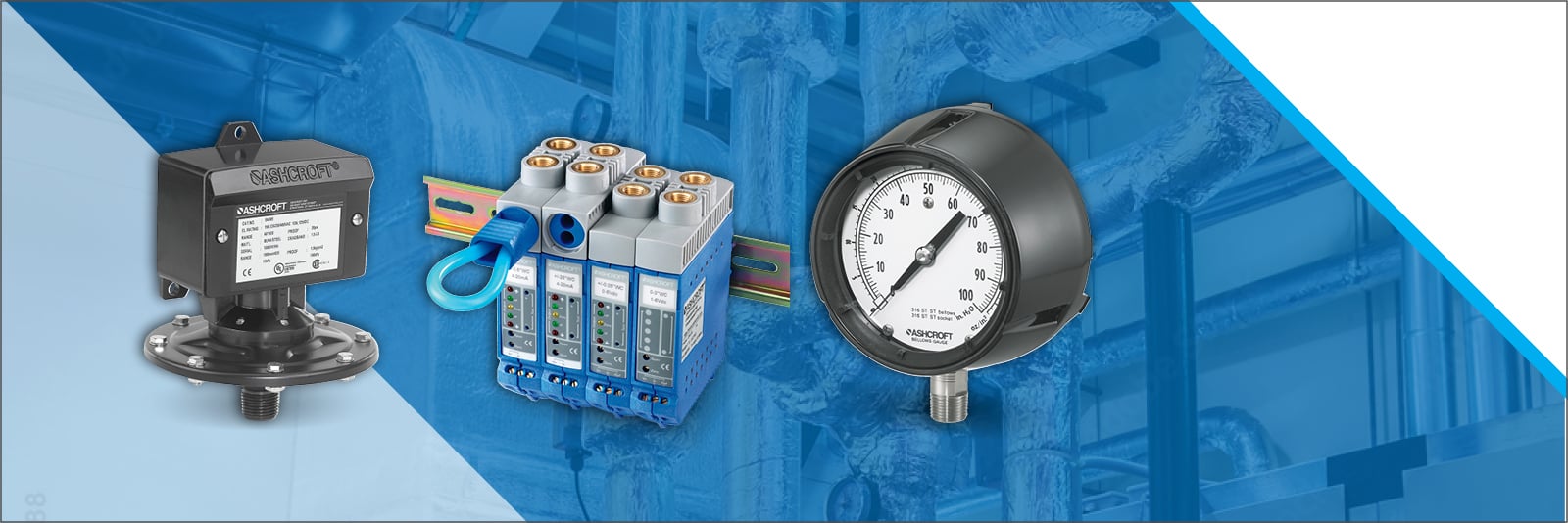
What many experts define as “low pressure” is driven by the design and capability of an instrument’s sensing element. Because every instrument relies on a specific sensing element or system, low-pressure gauges, switches, transducers and differential pressure instruments must be able to respond to very small changes in force to deliver accurate and repeatable measurements. While the term low pressure is somewhat subjective, it represents an important classification that helps define instrument capabilities and guide proper selection for the application.
Ashcroft has been supplying low-pressure measurement instrumentation across industrial and HVAC applications for decades. Read this article to learn how low pressure is defined for each of these instruments and why the sensing element design is what ultimately drives instrument selection.
What is considered low pressure for pressure gauges?
For pressure gauges, low pressure typically refers to pressure spans below what a traditional Bourdon tube can accurately measure, which is generally under 15 psi (1 Bar).
Bourdon tubes are commonly used for pressure spans of 15 psi (1 bar) or higher. They begin as C-shaped tubes that straighten as pressure increases, driving a mechanical movement that converts pressure element motion into rotary pointer motion. As pressure ranges increase above approximately 600 psi (40 bar), helical Bourdon tubes are used to handle these elevated pressures. Read Bourdon Tube Construction Types to learn more.
Pressure spans lower than 15 psi typically have a different type of sensing element and are often classified as low-pressure applications.
Which gauge designs are used for low-pressure measurement?
Two mechanical gauge designs are commonly used for low-pressure measurement, down to ranges as small as 0–10 inches of water:
-
Bellows, which are more robust and versatile, and are typically used in process applications
-
Capsules, which are generally limited to clean, dry air applications
Both of these low-pressure gauges are highly sensitive by design, allowing them to measure small pressure changes. This makes them much more susceptible to the impacts of harsh conditions such as pulsation or vibration. Also, if the installation of the pressure gauge is not in the same orientation as when it was calibrated (e.g., installing it upside down), the position error that results is amplified as pressure spans get smaller.
Figure 1. Ashcroft® 1188 Bellows Gauge
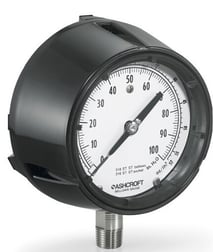
Figure 2. Ashcroft® N5500 Low-Pressure Capsule Gauge
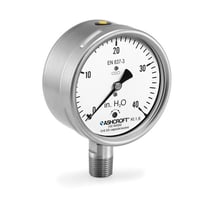
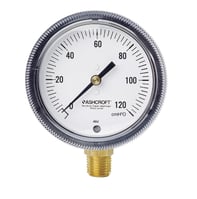
Figure 3. Ashcroft®1490 Low-Pressure Capsule Gauge
How differential pressure gauges measure low pressure
Differential pressure (DP) gauges read low differential pressure spans using various designs. Although there is a distinct difference between DP and gauge pressure, the instruments used for DP could be used for both.
DP gauges have two ports, a high and a low. Differential pressure readings indicate the difference between the high port and the low port.
Filtration monitoring example
A common DP application is filtration monitoring. As a filter becomes more clogged, the upstream pressure remains the same while the downstream pressure decreases. In this setup, the high port is installed on the upstream side and the low port on the downstream side. As the pressure difference between upstream and downstream grows, the DP reading increases accordingly.
How DP instruments measure gauge pressure.
For this type of installation, the DP gauge’s high port is connected to the process and the low port is left open to the atmosphere. The difference between the process pressure and atmospheric pressure effectively represents gauge pressure (with an atmospheric reference).
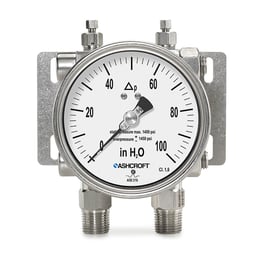
With this in mind, DP gauges designed to read in inches of water can be used to indicate low gauge pressure. In some designs, such as the Ashcroft® F5504 Differential Pressure Gauge, the high-pressure port can withstand the full static pressure, allowing very low-pressure spans to be measured while also tolerating significantly higher overpressure.
Figure 2. Ashcroft® F5504 Differential Pressure Gauge
How low pressure is measured in switches
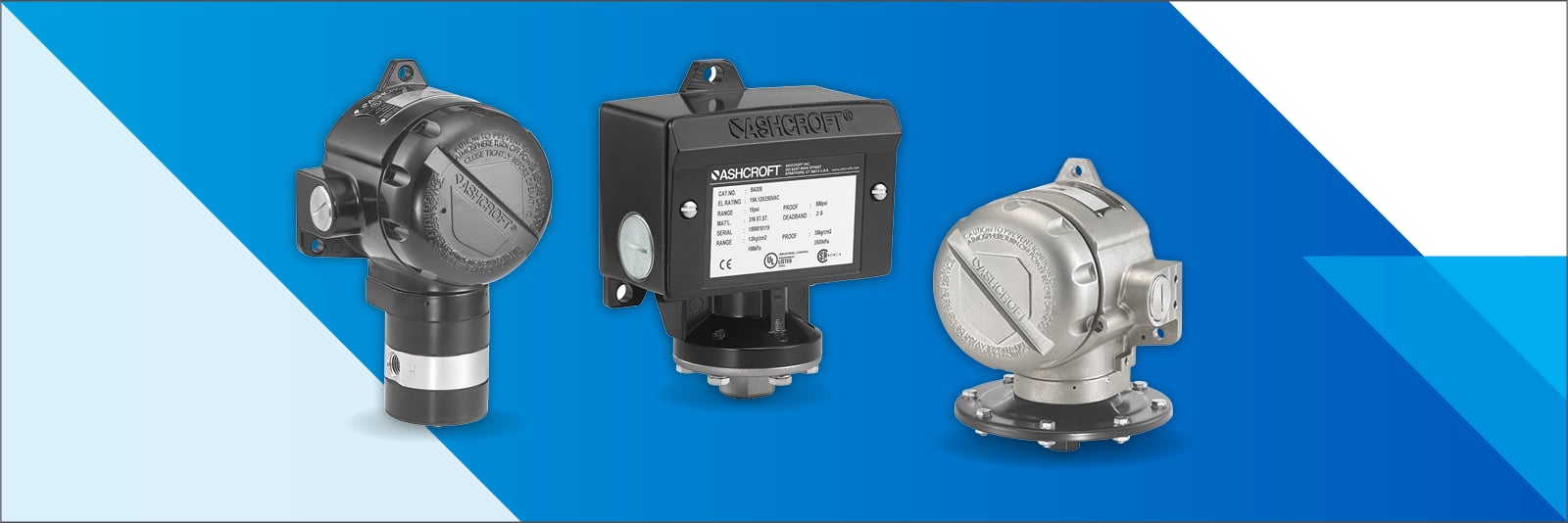
Pressure switches use a different sensing element design for low pressure. In a typical pressure switch, an actuator drives a pushrod and spring assembly that operates a microswitch by opening or closing an electrical circuit.
A low-pressure switch has a significantly larger diaphragm with much less resistance, allowing it to respond repeatably to very small changes in pressure. This is what enables a pressure switch to control pressure with resolution in inches of water instead of pounds per square inch.
Differential pressure switches can also be used to measure inches of water by leaving the low port open to the atmosphere.
What does low pressure mean for pressure transducers?
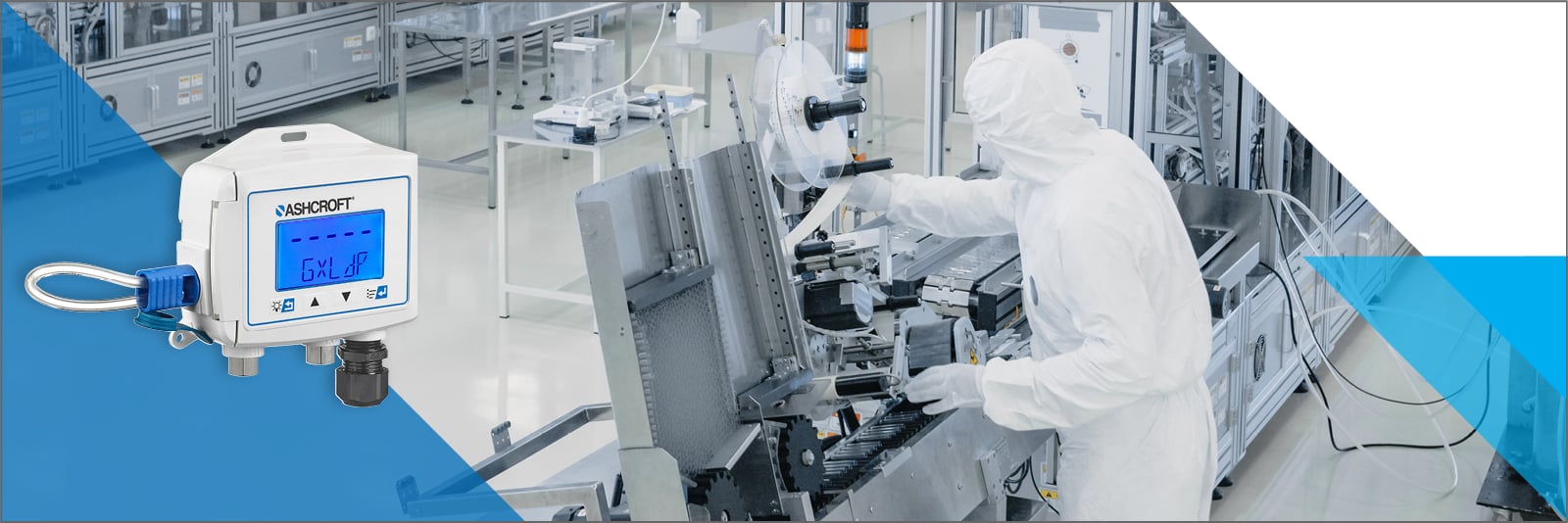
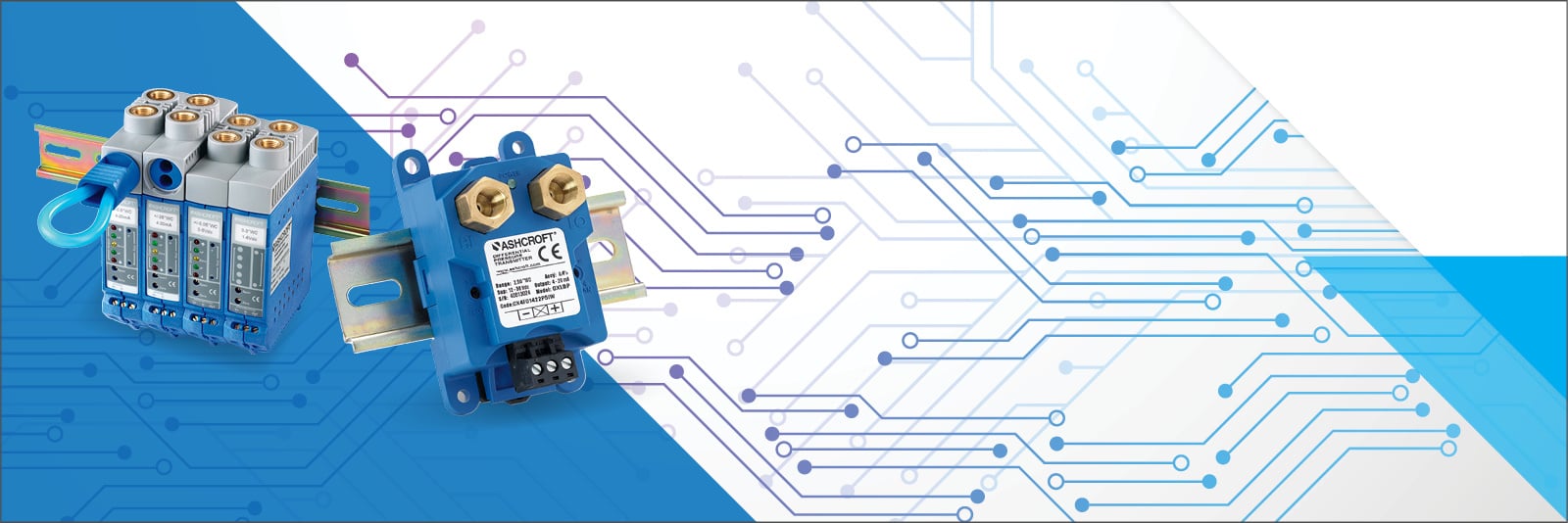
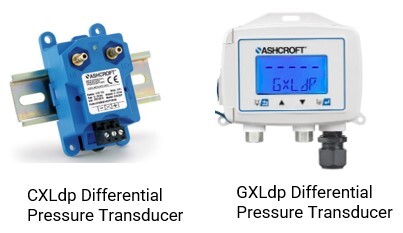
The landscape for pressure transducers is somewhat different. In this context, the term “low pressure” typically refers to transducers designed to measure differential pressure in inches of water. This technology is mainly used in air handling systems for HVAC or cleanroom applications.
The sensing element in Ashcroft’s low-pressure differential transducers uses a patented Si-Glass® sensor that combines an ultra-responsive pressure element with a robust housing capable of withstanding overpressure.
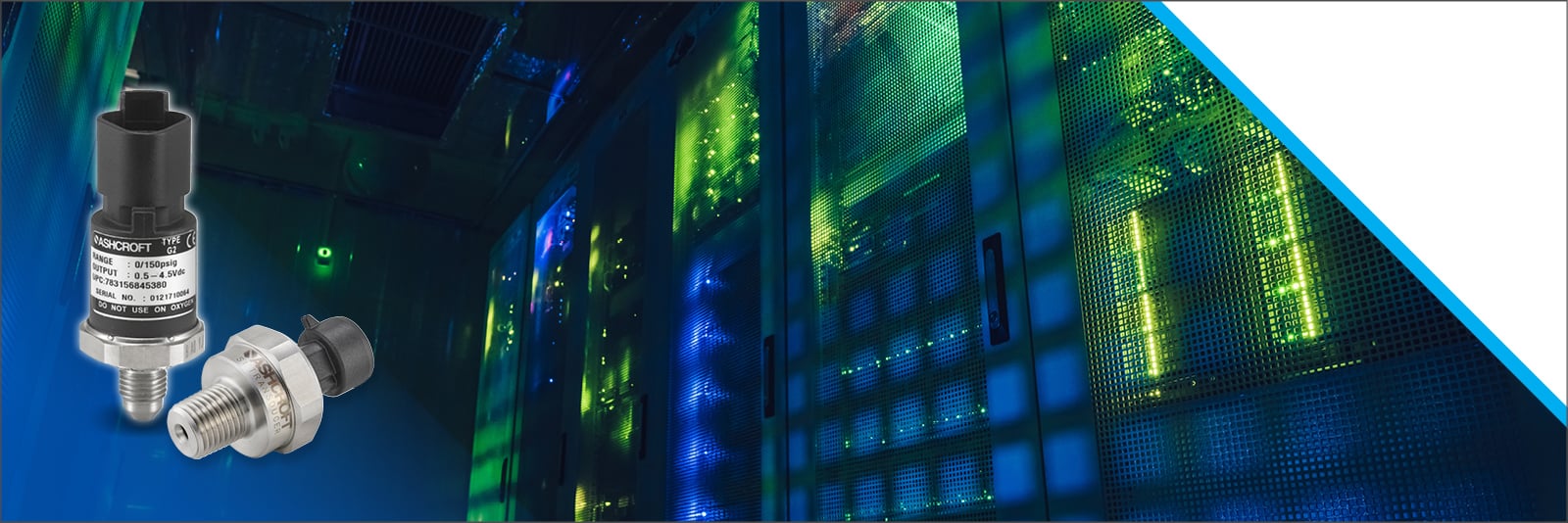
The Ashcroft® general-purpose E2 Pressure Transducers offer ranges as low as 1.5 psi (0.1 bar) and as high as 20,000 psi (1379 bar).
Key Takeaways
-
“Low pressure” is not defined by a single fixed value. Instead, it depends on the design of the sensing element and how effectively the instrument can detect and respond to very small changes in force.
-
Traditional Bourdon tube gauges are generally limited to measuring pressures of 15 psi and higher. For lower pressure spans, a different type of sensing element is required.
-
Bellows gauges provide accurate low-pressure measurement in inches of water for demanding process applications, while capsule gauges are best suited for clean, dry air only.
-
Low-pressure instruments are more sensitive to installation effects, including vibration, pulsation and mounting orientation.
-
Differential pressure gauges and switches can also indicate low gauge pressure by venting the low port to the atmosphere.
-
For pressure transducers, low-pressure differential instruments are most commonly applied in HVAC and air-handling systems.
Ready to learn more?
Understanding what qualifies as low pressure is only the first step in selecting the right instrument. Media compatibility, environmental conditions, accuracy requirements and overpressure protection all play a role in long-term performance.
Explore Ashcroft’s educational resources below to learn more about pressure gauges, differential pressure instruments, pressure switches, and transducers, and how sensing element design impacts instrument selection across applications. If you still have questions, contact us to speak to a product expert.
In the meantime, download our guide to learn about pressure and temperature instruments for HVAC/R systems.