

Subscribe now and get the latest blog posts delivered straight to your inbox.

As industrial applications become more demanding, the components that protect instrumentation must do more than resist the environment. They must deliver consistent, predictable performance across every assembly and throughout the life of the installation. For OEM instrument manufacturers, diaphragm seals play an important role in preserving the accuracy, reliability and consistency of the complete measurement system.
Customer/Application
An original equipment manufacturer (OEM) of pressure instruments serving highly demanding industrial applications was looking for a reliable diaphragm seal solution capable of supporting critical installations where sealing performance is directly related to the accuracy, reliability and safe operation of the complete instrument assembly.
The application called for seal assemblies produced across multiple production batches, with each unit expected to deliver consistent performance once integrated with the customer’s instruments in the field. This involved:
• Demanding process environments
• Industrial installations subject to environmental and mechanical stresses
• Multi-batch production requiring consistent and interchangeable assemblies
• Critical field applications where reliability, maintainability and operational continuity are essential
Challenge
The challenge was to develop a diaphragm seal assembly that could maintain consistent performance across production batches while withstanding demanding operating conditions. Meeting that requirement called for robust construction, repeatable manufacturing and a controlled qualification process, supported by full traceability and quality assurance throughout production.
Engineering Assessment
The engineering assessment showed that meeting the required standards for consistency and reliability would require more than a standard, off-the-shelf diaphragm seal solution. It also identified the key requirements that guided the design and qualification approach:
-
Accuracy and repeatability: The finished assembly needed to maintain the required system-level accuracy after final assembly, with minimal impact from the sealing system and consistent performance from one unit to the next.
-
Environmental durability: Wetted parts required corrosion-resistant construction and weld integrity suitable for demanding environmental and mechanical conditions, with long-term stability appropriate for critical industrial service.
-
Calibration and quality assurance: Each assembly required validated post-fill calibration, hydrostatic and leak testing, and a controlled, traceable filling process across production batches.
Solution
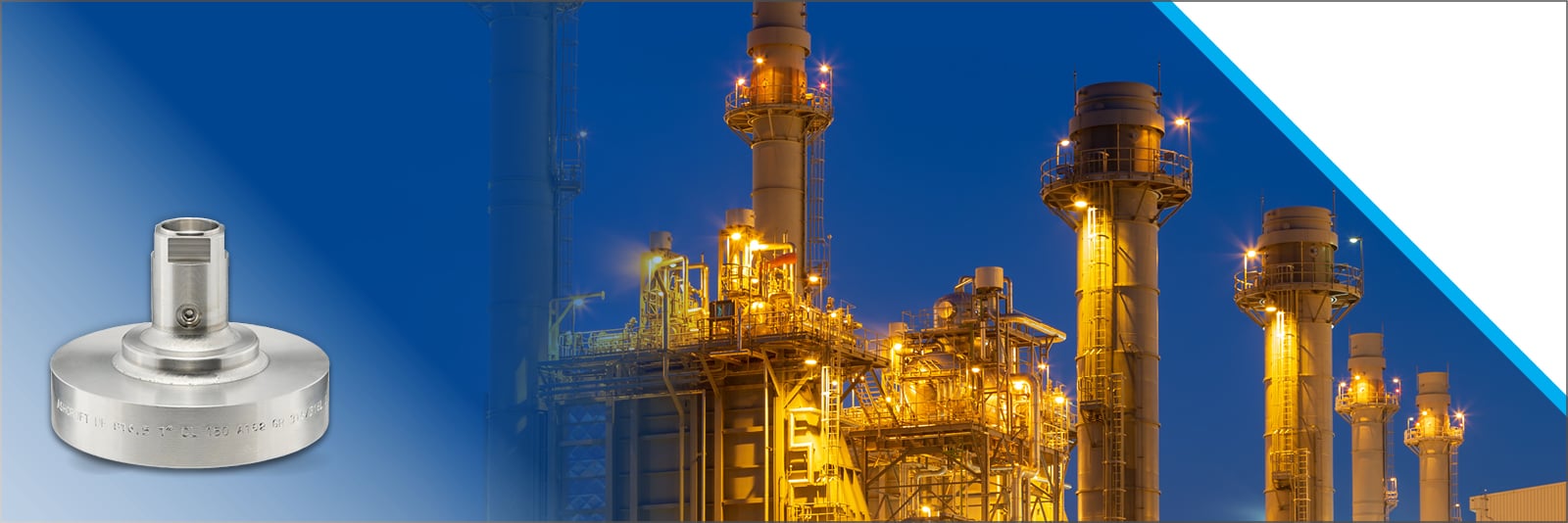
The solution was a custom-engineered diaphragm seal assembly designed to integrate with the customer’s pressure instruments, developed through a qualification process supported by investments in test benches and filling equipment.
- The combination of application-specific engineering, controlled manufacturing and qualification processes enabled consistent, OEM-grade performance across the assemblies.
- Dedicated qualification process: A multi-stage approval process validated system-level performance before the solution moved into production.
- Test and fill equipment: Dedicated test benches and controlled filling procedures established a more consistent and repeatable sealing process.
- Early technical engagement: Teams worked directly with the customer’s stakeholders during the development process to align application requirements with the final engineered solution.
-
Cross-team support: Colleagues across the organization’s manufacturing network contributed to the engineering, qualification and supply effort.
Result
The qualified solution established a reliable diaphragm sealing platform for the customer’s instrumentation applications with:
-
Consistent performance achieved across production batches
-
A controlled manufacturing and qualification process that provided greater confidence in field performance
-
Opportunities to support additional applications and future qualification activities
Key Takeaways
-
Consistent field performance depends on process control, not just product design.
-
Reliable sealing in demanding applications requires a validated and repeatable manufacturing process.
-
Early technical engagement helps align application requirements with the final engineered solution.
-
Critical industrial environments call for seal designs with appropriate performance margin, not just compliance with minimum specifications.
-
A validated qualification process can create opportunities for additional applications.
Learn More
Diaphragm seal performance is only as reliable as the process behind it. Ashcroft’s Custom Engineered Solutions team can help organizations evaluate diaphragm seal requirements and develop reliable solutions for demanding instrumentation applications.
Contact us if you have questions about your application. In the meantime, check out the related resources below.

Topics: