Ashcroft Critical Application Solution Experts® (CASE®) work with existing and prospective customers to identify process challenges and recommend pressure instrumentation solutions designed to mitigate risk and improve safety and reliability.
This CASE instrument audit revealed opportunities to address severe service conditions, optimize pressure range selection, and reduce inventory complexity.
Customer / Application
An energy facility operating pumping, transfer, and steam systems. The facility relies on hundreds of mechanical pressure and temperature gauges to monitor process conditions, support safe operation, and inform maintenance decisions.
Challenge
The facility sought to evaluate the overall condition and performance of its installed pressure and temperature instrumentation base. While general maintenance practices were strong, several areas of concern were identified, including:
- A significant number of gauges operating in severe service conditions, including vibration and pressure pulsation
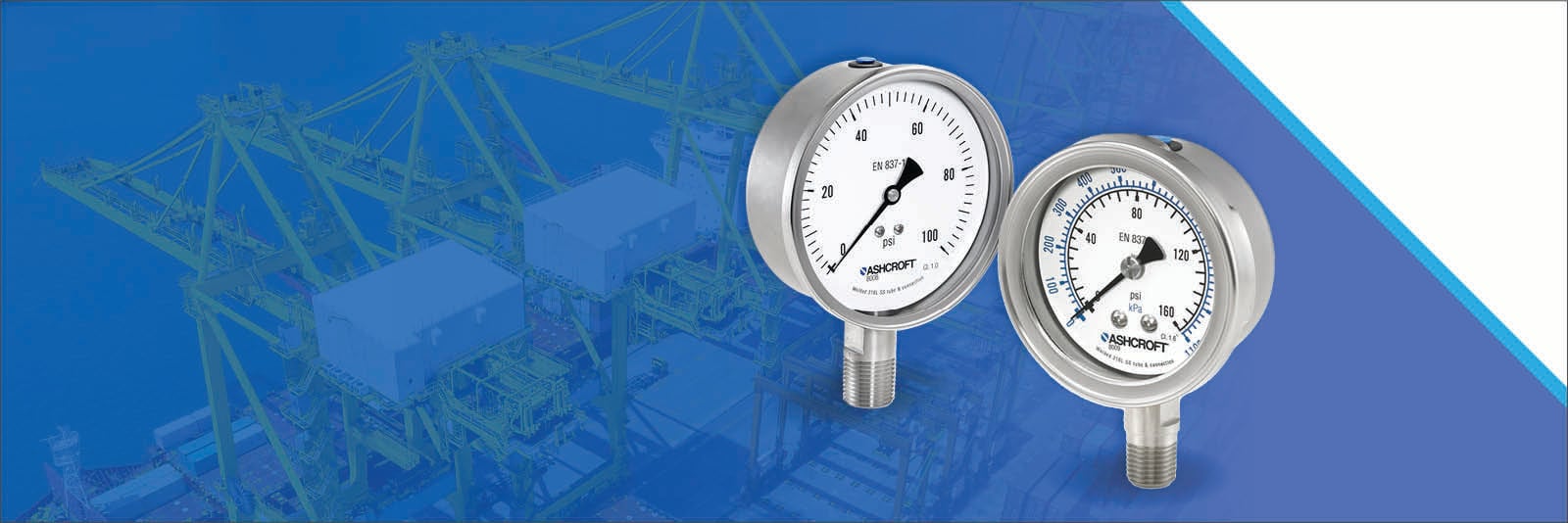
- Gauges operating well below their optimal pressure range, reducing readability and measurement confidence
- A wide variety of pressure and temperature ranges in service, increasing spare parts inventory and maintenance complexity
- Instances of damaged, unreadable, or over-pressurized gauges representing potential safety and reliability risks
Engineering Assessment
Ashcroft CASE® experts evaluated 253 pressure and temperature instruments across the facility. The assessment included:
- Recording operating pressure, gauge range, manufacturer, and application conditions for each instrument
- Identifying signs of severe service exposure, including vibration, pressure pulsation, elevated temperature, and material compatibility concerns
- Evaluating gauge condition, readability, and suitability for the application
- Analyzing pressure and temperature range utilization relative to ASME B40.100 best practices
Key Findings
| Finding |
Detail |
| Total instruments |
253 (179 pressure, 74 temperature) |
| Damaged or non-functional gauges |
~22% — below typical industry benchmarks |
| Gauges in severe service (vibration/pulsation) |
70 gauges (39.2% of pressure gauges) |
| Pressure ranges in use |
17 different ranges; top 10 cover 91.1% |
| Ashcroft brand gauges (pressure) |
44% of installed pressure gauges |
The audit data identified high-risk applications and opportunities for standardization. ASME B40.100 recommends operating pressure within the middle 25–75% of the scale. Many gauges were operating below mid-scale, reducing readability and measurement confidence, while some were operating at the high end of range, increasing stress on the bourdon tube.
Solution
Based on our findings, Ashcroft provided application-specific recommendations to address the identified failure modes and improve overall instrumentation performance. Recommendations included:
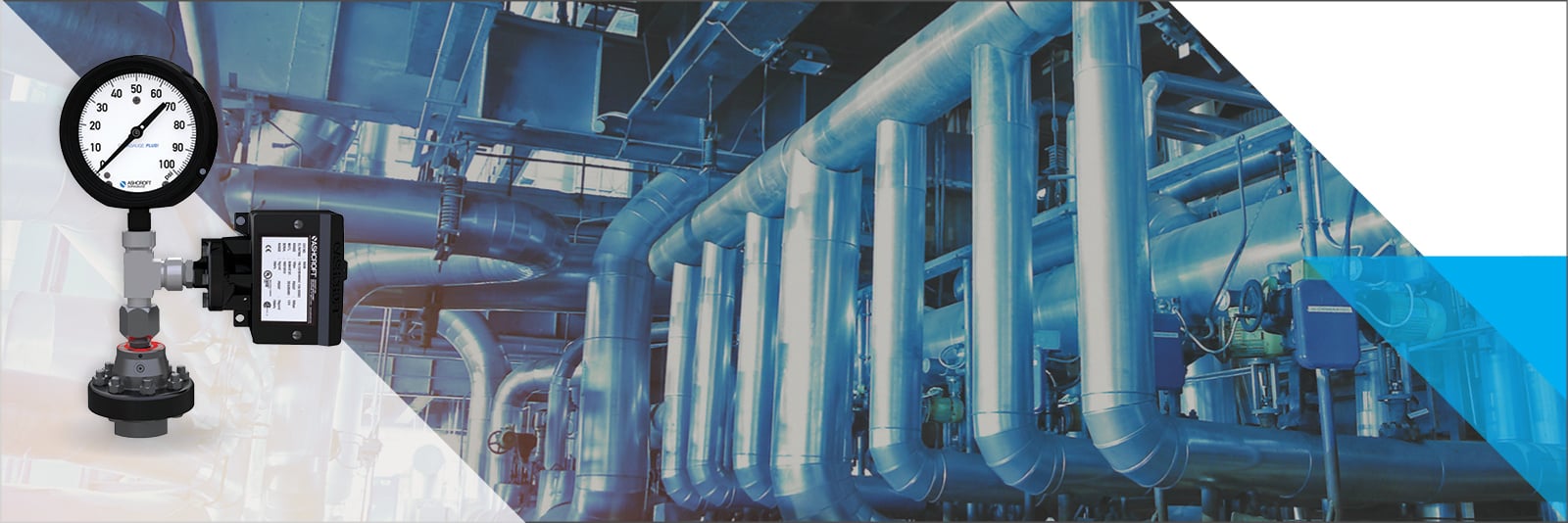
- Severe service protection: Evaluate protection strategies, including liquid-filled gauges with throttle screws to dampen pointer movement and reduce bourdon tube stress, as well as Ashcroft® PLUS!™ Performance gauges, which provide a dry alternative with built-in dampening. The facility selected Ashcroft PLUS!™ Performance as the preferred solution.
- Pressure range optimization: Adjust pressure ranges so operating pressure falls within the recommended 25–75% mid-scale range per ASME B40.100. This improves readability and extends gauge service life by reducing undue stress on the bourdon tube.
- Inventory consolidation: Reduce the total number of active pressure ranges from 17 to the top 10, which already account for over 91% of installed gauges. A similar consolidation opportunity exists for temperature ranges. This simplifies stocking, procurement, and maintenance activities.
- Damaged gauge replacement: Review and replace the 32 damaged pressure gauges identified during the assessment, including those with broken or cloudy windows, signs of over-pressurization, calibration issues, or moisture ingress. Specify gauges with hermetically sealed, weatherproof cases and safety glass lenses to reduce future exposure.
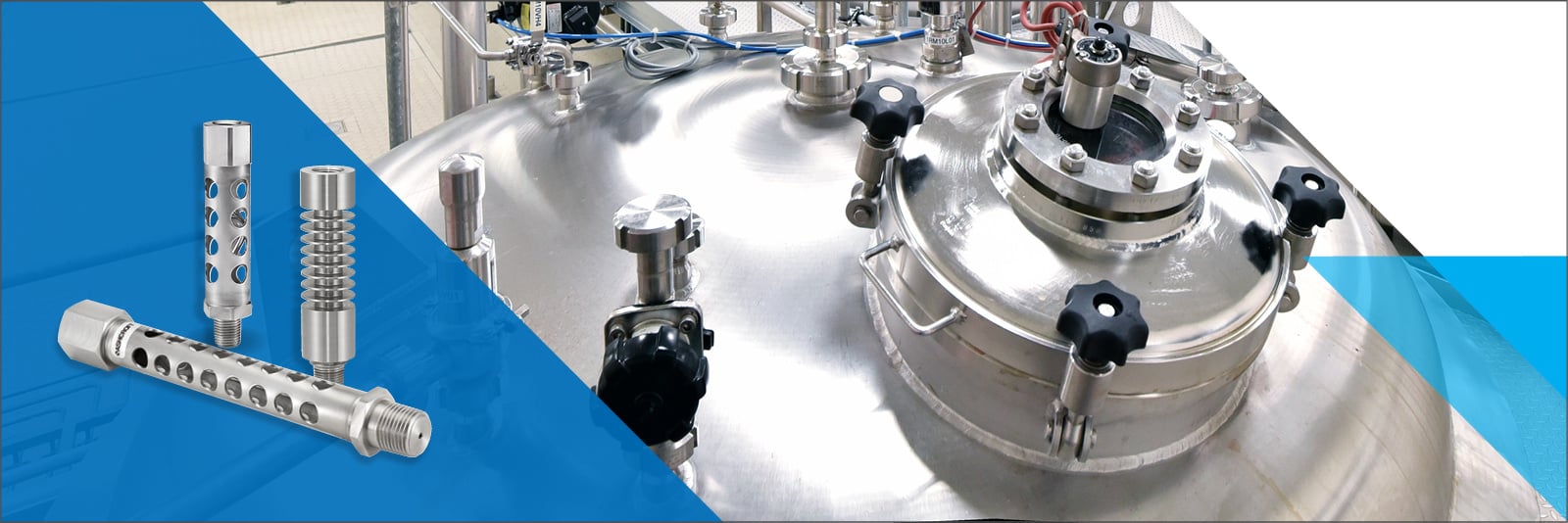
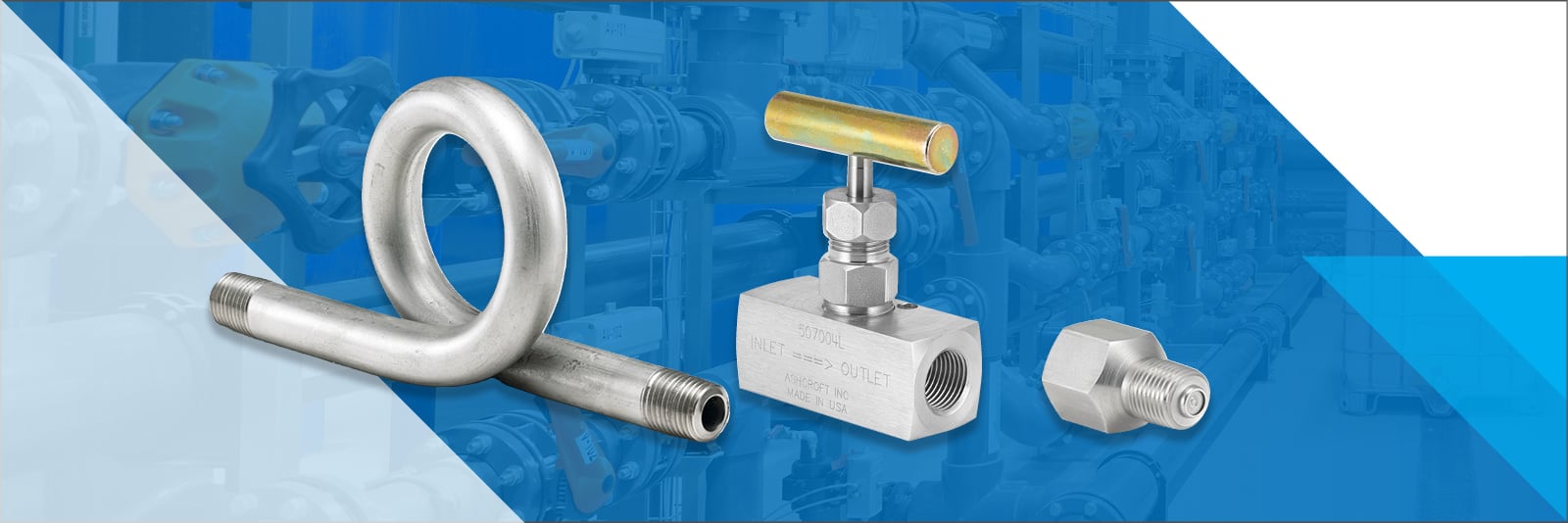
- Steam and high-temperature applications: Coil siphon installations were confirmed as effective in protecting gauges from elevated temperatures and aligned with Ashcroft and ASME recommended practices. Ensure siphons are installed upright for optimal drainage and performance.
- Installation corrections: Examine gauge connections to identify those with incorrect connection orientation. Noted that gauges should be installed vertically with the appropriate side connection to ensure proper operation and reduce internal wear over time.
Result
Our recommendations provided the facility with a clear, prioritized roadmap to:
- Improve gauge reliability and service life in severe applications
- Reduce the risk of gauge failure due to vibration, pulsation, overpressure, and moisture ingress
- Increase operator confidence through improved readability and consistent gauge behavior
- Streamline spare parts inventory by consolidating pressure and temperature ranges
- Address active safety concerns through targeted replacement of damaged instruments
The facility performed above typical industry benchmarks, with a relatively low rate of damaged gauges and strong maintenance practices. The audit identified targeted improvements to further strengthen reliability and reduce risk across the plant.
Key Takeaway
Even well-maintained facilities benefit from periodic instrumentation evaluation. Proper gauge selection, optimized pressure ranges, and protective features such as liquid fill, throttle screws, and weatherproof enclosures help improve long-term reliability and reduce maintenance costs.
Learn More
Contact us if you have questions about your application or would like to schedule a CASE® Audit. In the meantime, download our guide, How to Avoid Pressure Equipment Failure, for practical insights on identifying early warning signs and improving pressure instrument safety and reliability.
Jessi Jackowski, Product Leader – Diaphragm Seals & Accessories
Jessi Jackowski joined Ashcroft in 2019 as an Inside Sales Specialist before transitioning to the OEM team as a Group Lead. Today, she is the product leader for diaphragm seals and accessories. Prior to Ashcroft, Jessi was the Head Inside Sales Representative for an industrial manufacturer specializing in electrical, automotive, and plumbing tooling. Jessi holds a B.S. in History Education from Southern Connecticut State University. In her free time, she enjoys traveling, spending time with family, and visiting the beach.