

By:
Steve St. Hilaire
Director of Electronic Product Sales Support
Published on:
July 13th, 2026
Topics:
Subscribe now and get the latest blog posts delivered straight to your inbox.
By:
Steve St. Hilaire
Director of Electronic Product Sales Support
Published on:
July 13th, 2026
Topics:

Pressure sensors used in hazardous locations must carry approvals that confirm they can operate safely in environments with flammable gases, vapors, or dust. These certifications are necessary because the electrical components inside a pressure transducer or transmitter can generate heat or create sparks that could ignite the surrounding atmosphere.
In general, electronic pressure transducers and transmitters must carry certifications from third-party national test labs such as Factory Mutual (FM), Underwriters Laboratories (UL), the Canadian Standards Association (CSA), ATEX, or IECEx, depending on the local installation requirements. Additional certifications such as single or dual seal, Safety Integrity Level (SIL) or Canadian Registration Number (CRN) may also be required based on the application.
Read this article to learn why these approvals and certifications are necessary, what they cover, how they work and how to determine which ones apply to your installation.
Why do pressure sensors require hazardous location certification?
A location is considered hazardous when flammable materials such as gases, vapors, liquids, dusts, or fibers are present in quantities that can ignite, causing a fire or explosion. Electronic pressure sensors, including transducers and transmitters, contain electrical components that can create ignition risks through connectors, wiring circuits, or other sources.
According to the National Electrical Code (NEC) and the Canadian Electrical Code (CEC), a fire or explosion requires fuel, oxygen and an ignition source. If all three are present, a fire or explosion can occur. Because of this every device installed in a hazardous location must be certified to prevent or contain ignition. These locations are common in hydrogen systems, oil and gas production, energy storage, chemical processing, mining, and pharmaceutical applications.
Certifications verify that the sensor has been tested to prevent ignition through one of several protection methods (see Figure 1), which directly influence which certifications a pressure sensor must carry.
What ignition protection methods do certified pressure sensors use?
Certified pressure sensors use protection strategies suited to their hazard level. The method required depends on how often the hazard is present and how the device will operate within that environment. Hazardous areas are classified using the Class and Division method or Zone systems:
- The Class and Division system is used primarily in the United States and Canada. It is based on the National Electrical Code (NEC Article 500) and the National Fire Protection Association (NFPA 70). These approvals are typically certified by UL, FM, and CSA.
- The Zone system, which is primarily used internationally and in Canada, is based on the International Electrotechnical Commission Code (IEC 60079). These approvals are typically certified by ATEX and IECEx Systems. The Zone system is starting to gain traction in North America and is based on the requirements of NFPA 70. Zone approvals can now also be fully certified by UL, FM and CSA.
The requirements for both the Class and Division system and the Zone system line up as follows:
- Division 1 and Zone 0 or Zone 1 represent areas where an explosive atmosphere is present under normal operating conditions.
- Division 2 and Zone 2 represent areas where the hazard is not normally present.
Figure 1: Ignition protection methods
| Method | Description | Hazard level |
|---|---|---|
| Intrinsically safe (IS) | Limits electrical energy to prevent sparks or heat | Highest risk: Zone 0 or Division 1 |
| Explosion proof or flameproof (Ex d) | Contains internal ignition through flame paths | Zone 1 or Division 1 |
| Non-incendive (NI) | Safe under normal operation | Zone 2 or Division 2 |
| Increased safety (Ex e) | Reinforces creepage, insulation and sealing | Zone 2 |
Note: Intrinsic safety is required in the highest hazard areas. Explosion-proof construction is used in areas where ignition is likely. Non-incendive and increased safety apply to lower risk classifications.
How do regional and application requirements determine which certifications you need?
Pressure sensors used in hazardous locations must also include certifications that match both the region where they are installed and the hazardous area classification of the application. These approvals confirm that the device has been tested to prevent ignition and meets the requirements set by regional inspectors and code authorities.
Because each region follows different electrical codes, the certification needed for a pressure transducer or transmitter will vary by location and by the type of ignition protection the device uses. Selecting the correct certification requires understanding where the product will be installed and how the hazardous location is classified. Guidance for local requirements can be provided by your local electrical authority.
Figure 2: Typical regional certification overview
| Certification | What it ensures | When it is typically required |
|---|---|---|
| ATEX (Europe) | Safe for explosive atmospheres | EU facilities and OEMs exporting to Europe |
| IECEx (International) | Globally accepted hazardous location compliance | Worldwide industrial applications |
| FM (United States) | NEC compliance for Class and Division or Zone locations | Oil and gas, chemical processing, and energy plants |
| UL (United States) | Electrical and hazardous location safety | US industrial installations |
| CSA (Canada) | CEC hazardous location compliance | Hydrogen systems, petrochemical facilities, and mining |
| CRN (Canada - Provincial) | Pressure boundary compliance | Sensors with pressure-containing components |
| SIL (International) | Functional safety performance for SIS applications | Pressure sensors used for shutdown or safety loops |
How do ATEX, IECEx, FM, UL, and CSA approvals differ?
These certification systems support similar safety goals but can have additional or slightly different requirements. Certification typically applies to different regions.
- ATEX is required for equipment installed in Europe.
- IECEx is accepted internationally and provides globally recognized testing.
- FM approvals follow NEC Class and Division or Zone systems in the US.
- UL verifies electrical and hazardous location safety for US. markets.
- CSA certifies products for use in Canadian hazardous locations.
The certification must match the region where the equipment will be installed as well as the hazardous area classification of the application.
How do you choose the right certification?
Choosing the correct certification is not always a single requirement. Many applications need multiple approvals depending on region, hazard level and function. For example, a pressure transducer used in Canada may need CSA approval for hazardous locations, CRN approval for pressure containment and SIL certification if it performs a safety function. However, an OEM selling pressure sensors internationally may need a combination of FM, UL, ATEX and IECEx.
To determine which certifications apply consider three questions:
- Where will the sensor be installed?
This determines whether ATEX, IECEx, FM, UL or CSA is required. - What is the hazardous area classification?
This determines whether the sensor must be intrinsically safe, explosion proof, non-incendive or increased safety. - Will the sensor perform a safety function?
This determines whether SIL certification is necessary.
Common certification strategies
- Zone 0 or Division 1 - Intrinsically safe concepts are required.
- Zone 1 or Division 1 - Explosion proof or flameproof concepts can be used.
- Zone 2 or Division 2 - Non-incendive field wiring concepts can be used.
- Protected Zone 2 installations - Increased safety concepts can be used.
- European or global installations - Select ATEX or IECEx.
- US installations - Select FM or UL.
- Canadian installations - Select CSA.
- Pressure-containing components in Canada - Select CRN.
- When the sensor is part of a system that requires Safety Integrity Certification - Select SIL.
You can select multiple certifications when required by global distribution, overlapping hazards or safety functions. If you have questions, you should consult your local electrical authority to verify which requirements you must meet.
Which Ashcroft pressure sensors have hazardous location certifications?
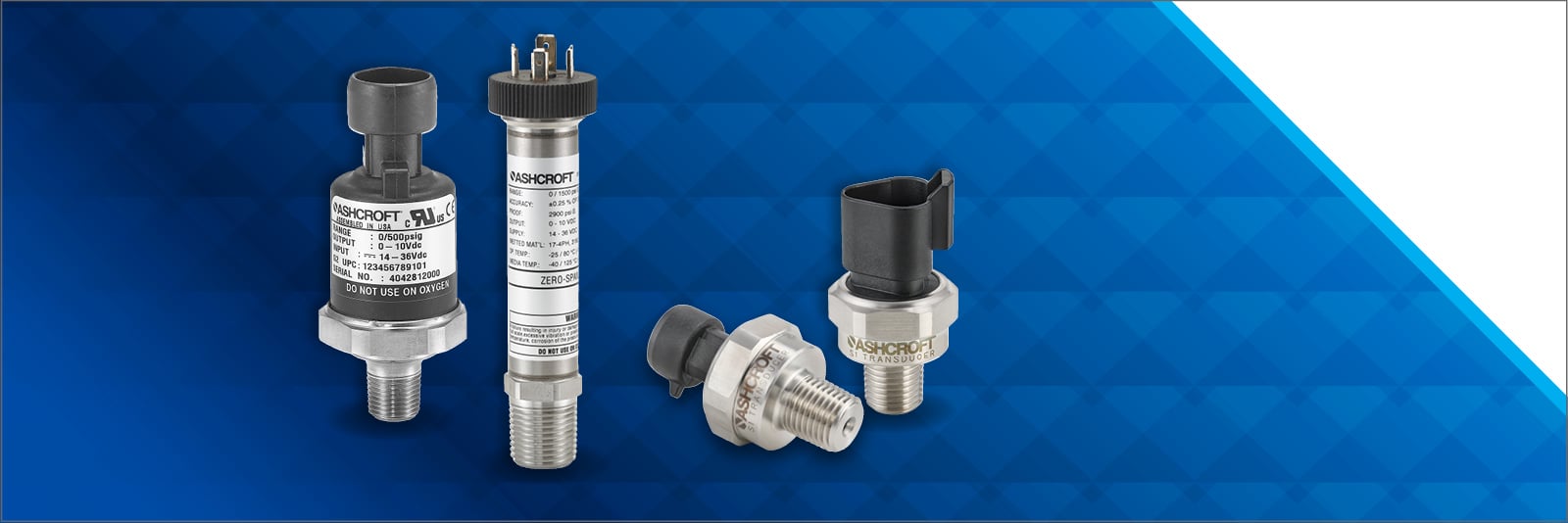
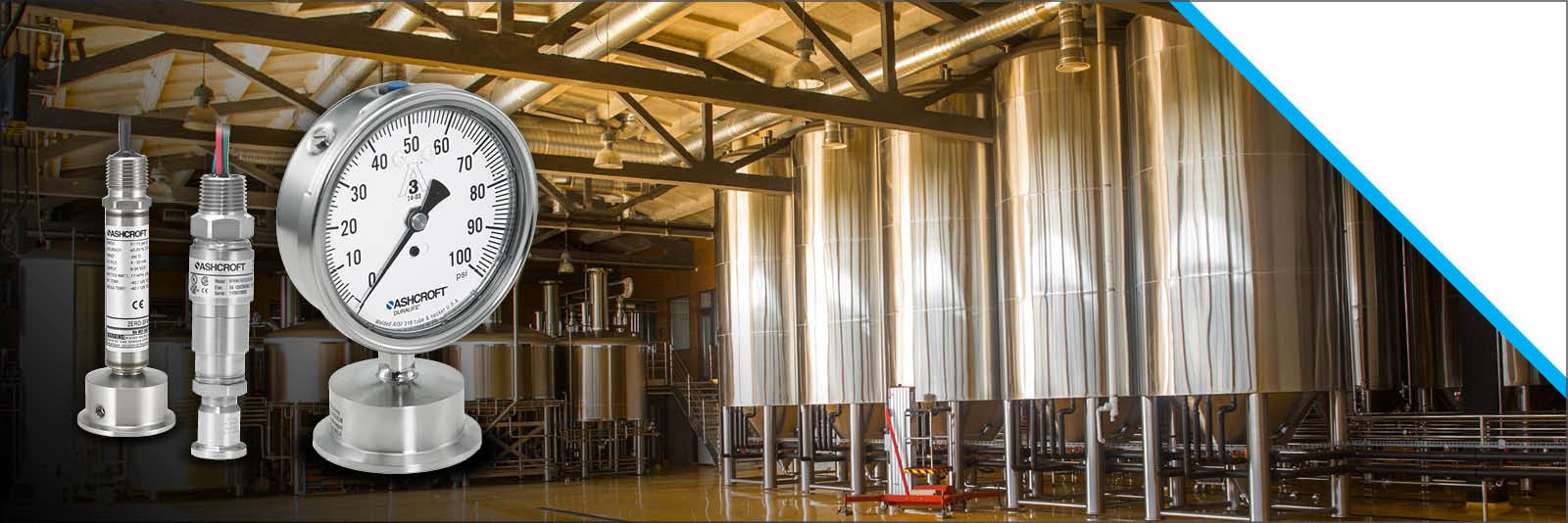
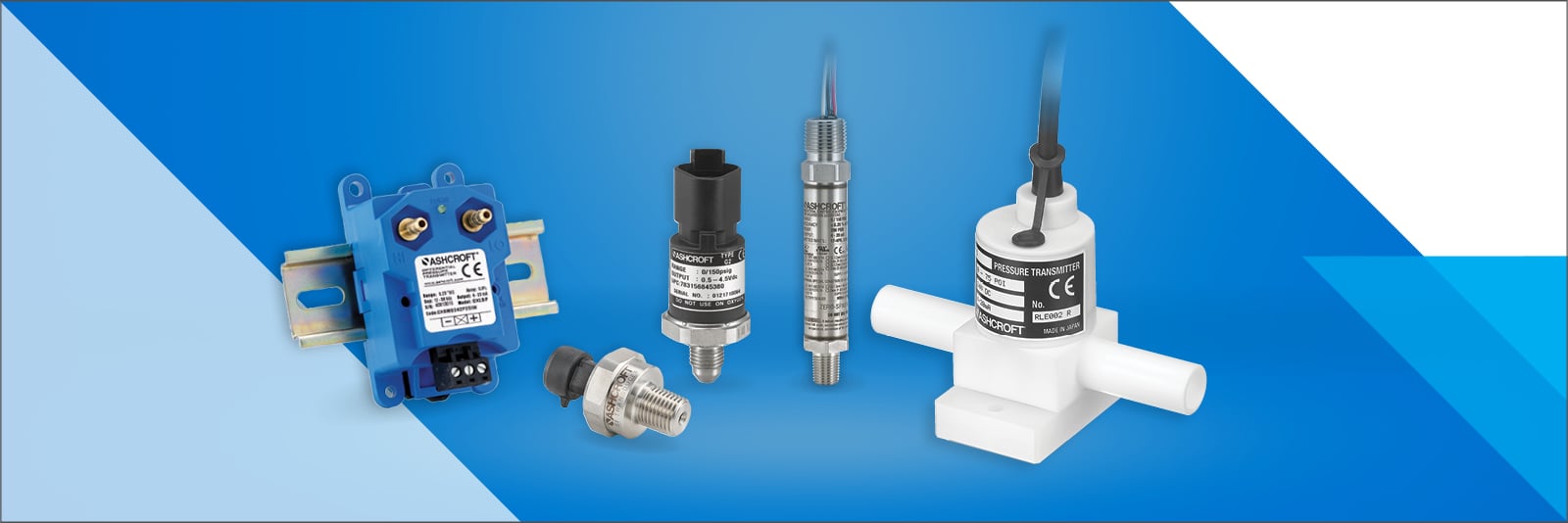
Ashcroft offers several pressure transducers, switches and digital gauges that have various hazardous location approvals.
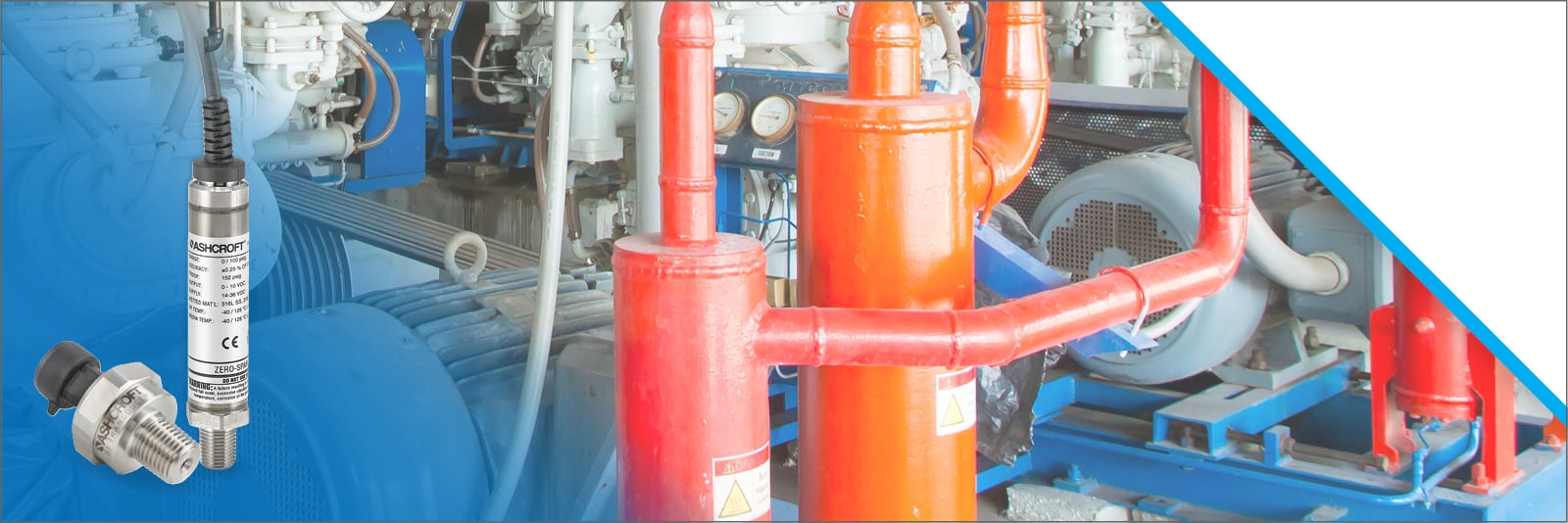
For example, certain pressure sensors like the Ashcroft® E2F Flameproof and E2S Intrinsically Safe Pressure Transducers are built to withstand or prevent explosions and fires in hazardous locations. This makes them effective options for managing pressure in complex industrial applications.
Ready to learn more?
With a clearer understanding of why hazardous location certifications matter and how they apply to pressure sensors, you may have more questions about your specific application.
Contact us to speak with a product expert about selecting the appropriate certified pressure transducer or transmitter for your application. You can also explore our related resources for deeper guidance on hazardous location requirements and best practices for keeping your people, equipment and processes safe.
In the meantime, download our guide to learn how to avoid hydrogen hazards with the appropriate pressure and temperature instruments.