

Subscribe now and get the latest blog posts delivered straight to your inbox.
Food and beverage manufacturers must ensure that every component used in production systems meets strict safety and sanitary requirements. Pressure gauges and pressure sensors are no exception. These instruments must be built from compatible materials and designed to operate reliably in hygienic environments.
In many cases, this means selecting instruments that typically need to comply with NSF certifications, 3-A sanitary standards and Food and Drug Administration (FDA) regulations. Although these requirements are often mentioned together, they serve different purposes within a food and beverage facility:
-
FDA regulations define the food safety laws and good manufacturing practices that apply across the entire food and beverage facility.
-
NSF certification helps protect the water supply by applying to potable water systems and ensuring that materials will not contaminate drinking water.
-
3-A sanitary standards focus on the hygienic design and cleanability of equipment used in food processing. They specifically govern hygienic food and beverage processing equipment.
As a leader in pressure and temperature instrumentation, Ashcroft has extensive experience helping engineers select instruments that meet these standards. Read this article to better understand how these requirements work together to help ensure the correct pressure instrument is used in the appropriate part of the process.
What role does the FDA play in food and beverage instrumentation?
The U.S. FDA establishes the regulatory framework that governs food safety in the United States. For instance, regulations such as the Food Safety Modernization Act (FSMA) and current Good Manufacturing Practices (cGMP) require manufacturers to ensure that equipment and materials used in food production do not introduce contamination into the process.
These regulations apply to the entire facility, including:
-
Ingredient handling systems
-
Processing equipment
-
Cleaning and sanitation processes
-
Packaging and storage systems
Although the FDA generally does not certify individual pressure instruments, it establishes the food safety requirements that equipment manufacturers and processors must meet.
To demonstrate compliance, manufacturers often rely on recognized industry standards such as 3-A sanitary standards and FDA-compliant materials for hygienic equipment design. Pressure instruments used in these environments must also be compatible with sanitation processes such as Clean-in-Place (CIP) or Sterilize-in-Place (SIP) systems that maintain hygienic process conditions.
What is NSF certification and when is it required?
NSF certification ensures that materials used in potable water systems do not leach harmful contaminants into drinking water. The most common standards relevant to pressure instrumentation include:
NSF/ANSI/CAN 61 evaluates the health effects of materials used in drinking water systems
NSF/ANSI/CAN 372 verifies compliance with lead-free plumbing requirements
These standards require third-party testing to ensure that components such as valves, fittings and instruments do not release harmful contaminants into potable water supplies.
NSF certification is widely recognized across North America and is often required by regulatory agencies responsible for maintaining drinking water quality.
Where is NSF certification typically used in food and beverage plants?
In food and beverage facilities, NSF certification is commonly required in utility water systems rather than the food processing equipment itself. This includes:
-
Potable Water Systems
-
Municipal water supply entering the facility
-
Filtration or reverse-osmosis treatment systems
-
Carbon filtration units
-
Water softening systems
-
Utility and Cleaning Systems
-
CIP makeup water
-
Beverage water treatment skids
-
Boiler feed water for non-product utilities
In these systems, NSF-certified instruments ensure that materials in contact with potable water will not introduce contaminants such as heavy metals or chemical compounds.
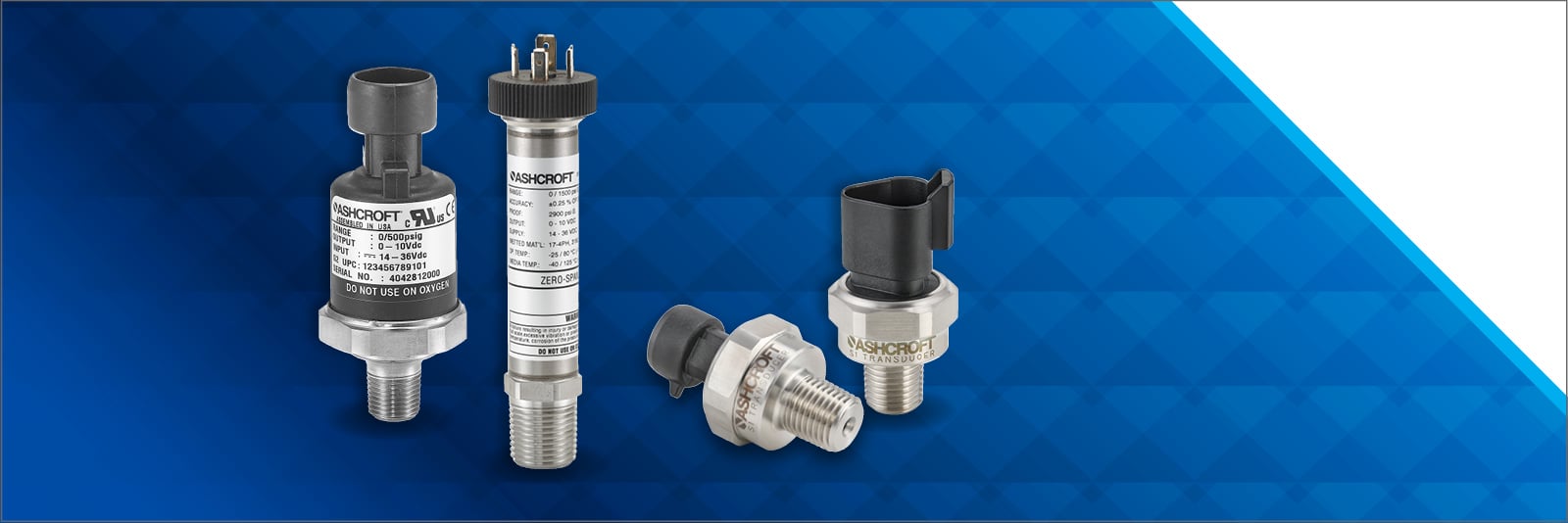
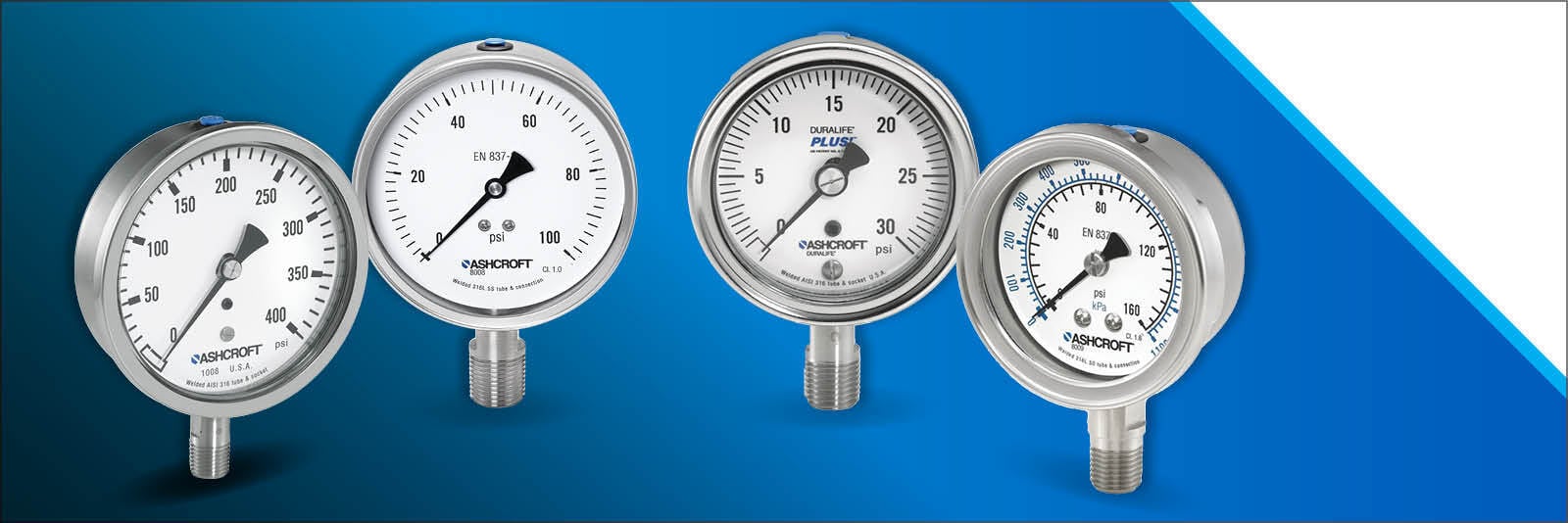
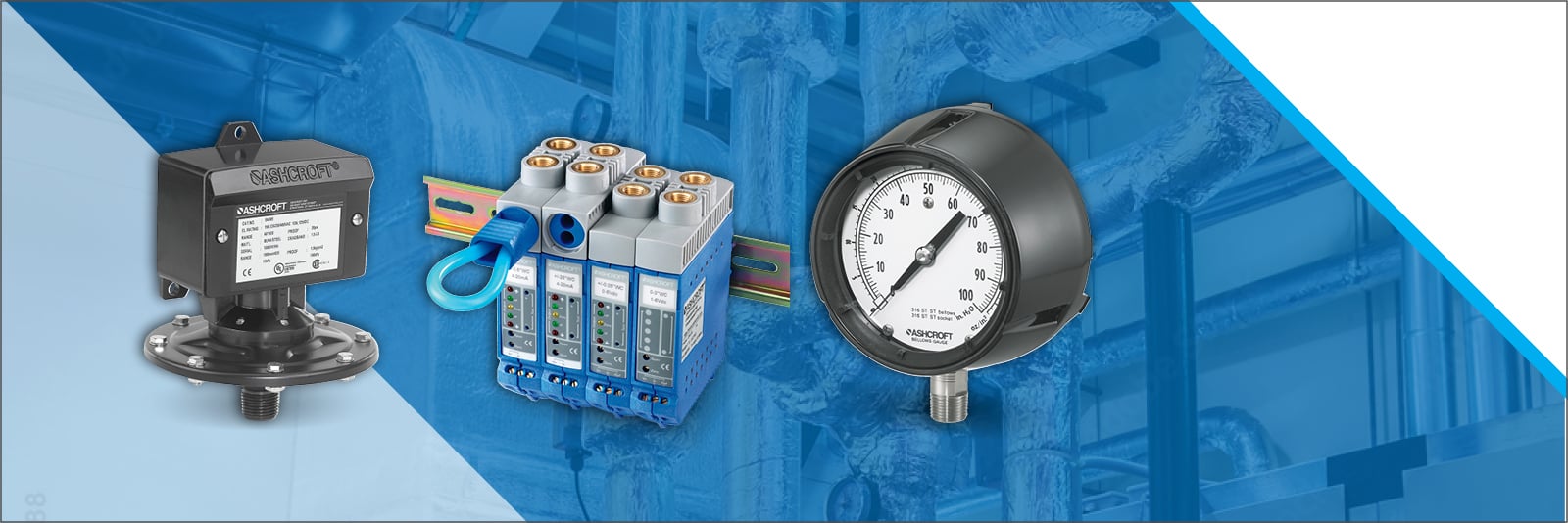
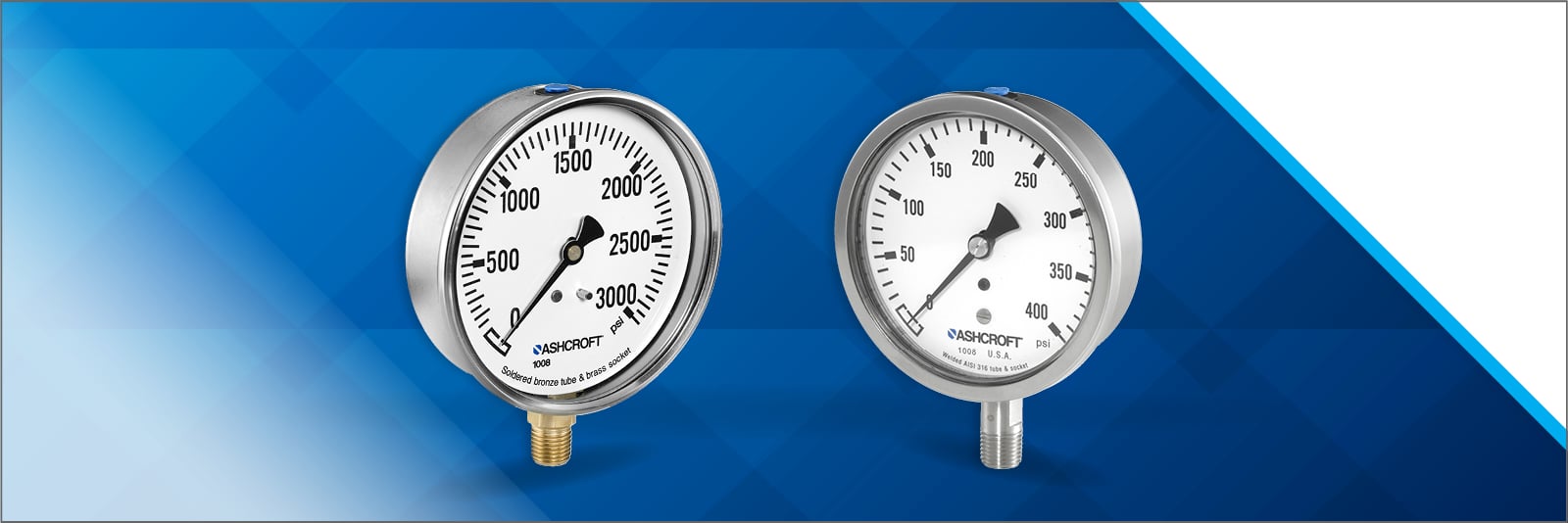
Ashcroft offers many NSF-certified instruments that includes pressure gauges, like the 1279 Duragauge Pressure Gauge, pressure switches like the A-Series Watertight Pressure Switch, pressure sensors such as the G2 Pressure Transducer, as well as isolators including the 200-201 Threaded Diaphragm Seals.
Why is NSF certification important in dairy and beverage facilities?
Many dairy and beverage manufacturers require NSF-certified components for equipment connected to potable water systems. Many factors influence this requirement, including:
-
Regulatory compliance. Local health departments frequently require NSF-certified components for potable water systems within food processing facilities.
-
Consumer safety. NSF testing ensures materials do not leach contaminants into drinking water, helping protect product quality and public health.
-
Customer specifications. Large food and beverage companies often mandate NSF-certified components as part of their internal safety and quality standards.
Using NSF-certified components can also simplify regulatory inspections by demonstrating that equipment meets recognized health and safety requirements.
When is NSF certification not typically required?
NSF certification is generally not required for equipment directly involved in food processing. For example, NSF is rarely the primary requirement for:
-
Milk processing systems
-
Pasteurizers
-
Fermentation vessels
-
Cheese or yogurt production lines
-
Direct product-contact instrumentation
In these applications, 3-A sanitary standards typically govern equipment design instead.
It's also important to note that connection styles such as Tri-Clamp sanitary fittings are unrelated to NSF certification because they address hygienic design rather than potable water safety.
What are 3-A sanitary standards and why are they important?
3-A sanitary standards define hygienic equipment design requirements used in food and dairy processing.
These standards were developed by industry organizations representing equipment manufacturers, dairy processors and regulatory agencies to ensure equipment can be properly cleaned and sanitized between production cycles.
These requirements typically address:
-
Hygienic equipment design
-
Surface finish and material quality
-
Cleanability and sanitation compatibility
-
Drainability and elimination of dead legs
3-A requirements help prevent microbial contamination by ensuring that product residues cannot accumulate in equipment surfaces or connections.
Sanitary process connections, such as Tri-Clamp fittings mentioned above, support these requirements by providing smooth, crevice-free surfaces that are easier to clean and maintain.
Where are 3-A sanitary standards most commonly applied?
3-A standards are particularly important in industries where contamination risks must be tightly controlled. Common applications include:
-
Dairy processing facilities
-
Milk and cream production lines
-
Cheese manufacturing
-
Yogurt processing
-
Beverage production systems
Pressure instruments used in these applications, must be designed to support hygienic process requirements while maintaining accurate and reliable measurements.
Selecting pressure instruments for food and beverage applications
Selecting the right pressure instrument for food and beverage systems requires more than choosing the correct pressure range. Engineers must consider material compatibility, sanitary design and applicable certifications.
Material compatibility
Wetted components such as 316L stainless steel are commonly used because they provide corrosion resistance and compatibility with cleaning chemicals used in sanitation cycles.
Sanitary process connections
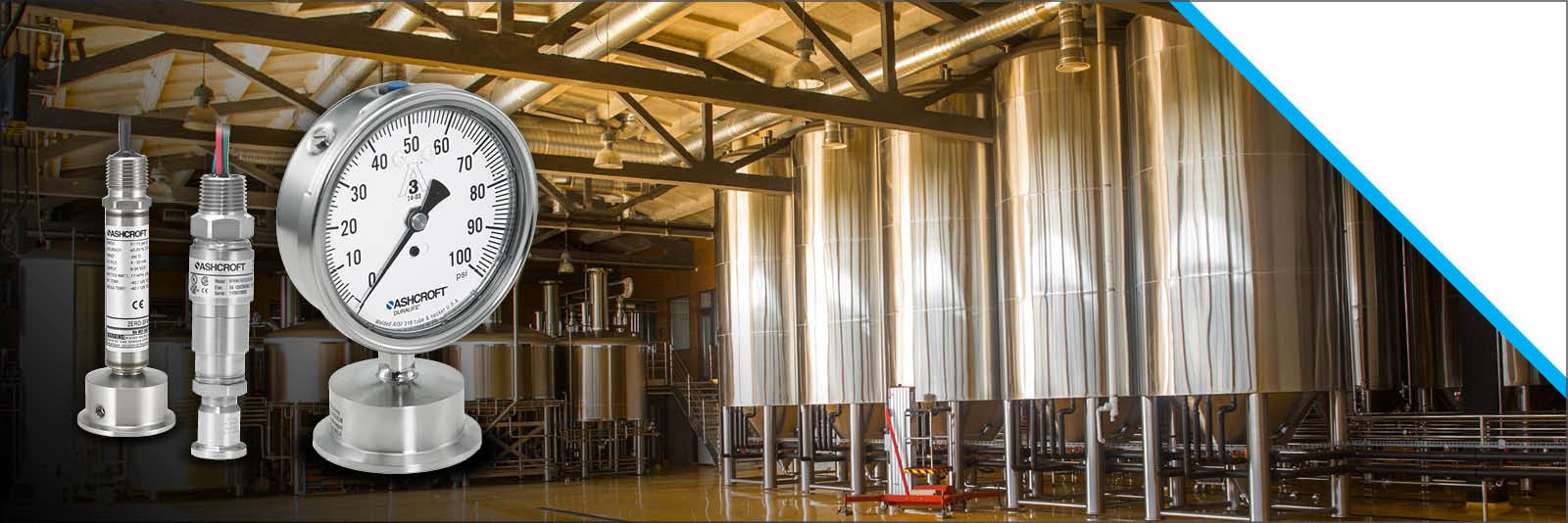
Tri-Clamp® connections and hygienic diaphragm seals help eliminate crevices where product residue or bacteria could accumulate while allowing instruments to be easily removed for maintenance or cleaning.
Gauge vs. sensor selection
Pressure gauges are commonly used for local indication on equipment such as tanks, pasteurizers or filtration systems, while pressure sensors transmit signals to control systems for automated monitoring and process control.
Compliance with applicable standards
Instrumentation should be selected based on where it will be installed in the process. NSF certification may be required for potable water systems, while hygienic processing equipment may require 3-A sanitary design and FDA-compliant materials.
Selecting instruments designed for these conditions helps ensure accurate pressure monitoring while supporting regulatory compliance and hygienic operation.
Ready to learn more?
Understanding the differences between NSF certification, 3-A sanitary standards and FDA regulations helps you select pressure instruments that meet both hygienic design requirements and regulatory expectations.
If you want to learn more about selecting pressure instrumentation for sanitary environments, explore the additional resources listed below. You can also contact us to discuss the best solution for your specific food and beverage application.
In the meantime, download our guide to learn how to prevent product contamination in your process.