

Subscribe now and get the latest blog posts delivered straight to your inbox.
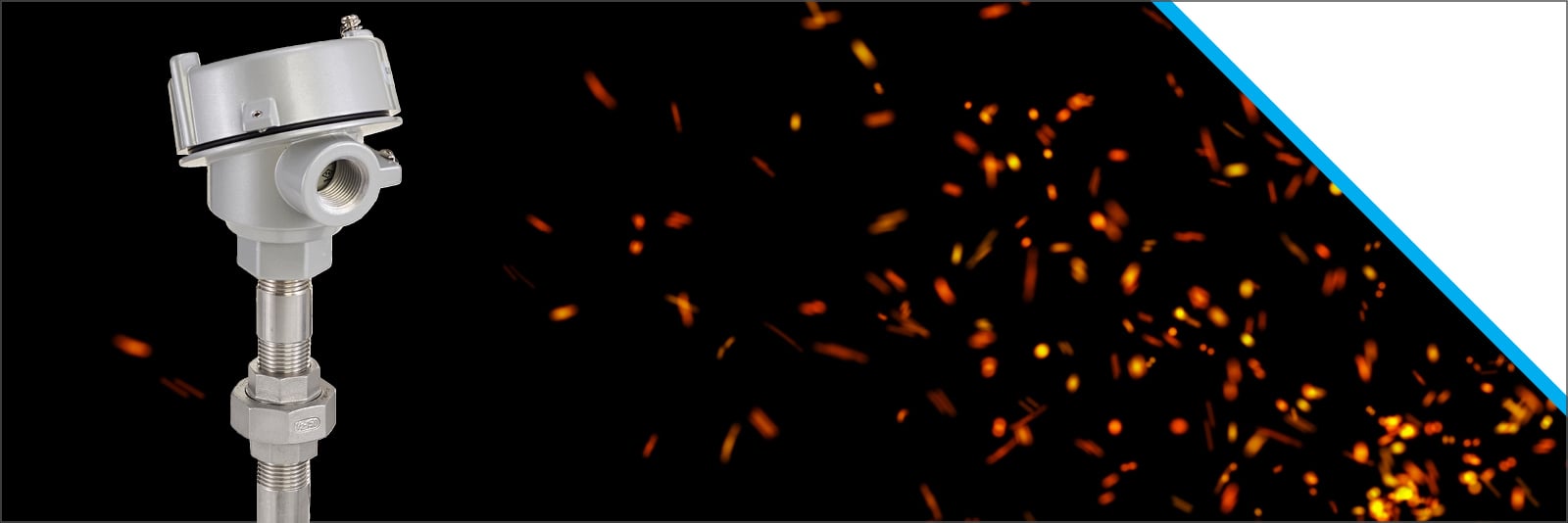
Temperature sensors can fail for many reasons, including vibration, moisture ingress, wiring issues, environmental exposure, and operating conditions that exceed their design limits. Understanding the causes of temperature sensor failure can help improve measurement reliability, reduce downtime, and prevent costly troubleshooting efforts.
When a temperature sensor begins producing inaccurate readings or stops working altogether, the consequences can range from reduced process efficiency to unexpected equipment shutdowns. The challenge is that the sensing element itself does not always cause sensor failures. Installation practices, environmental conditions, and application requirements often play a significant role in long-term performance.
At Ashcroft, we help engineers and maintenance professionals select temperature measurement solutions for demanding industrial environments. Read this article to learn the most common causes of RTD and thermocouple failures, how these failure mechanisms differ, and what steps can help extend sensor life.
What are common types of temperature sensors?
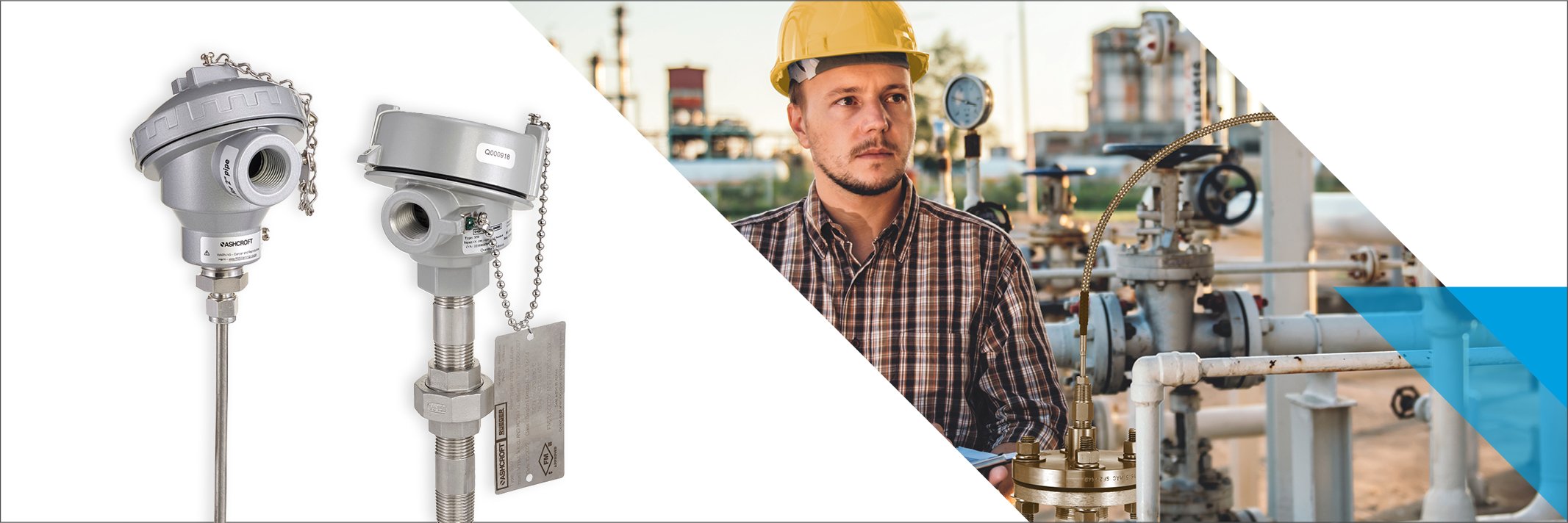
Resistance Temperature Detectors (RTDs) and thermocouples are among the most common temperature measurement instruments used in industrial applications. While both provide reliable temperature data, they use different sensing technologies and are affected by environmental and operating conditions in different ways. Read, When to use an RTD vs. a Thermocouple to learn more.
The table below highlights some of the key differences between the two technologies.
Table 1. RTD vs. Thermocouple Key Differences
RTD
- Accuracy: High
- Stability: Excellent
- Response: Moderate
- Temperature range: Moderate
- Common concerns: Moisture, wiring issues, and drift
Thermocouple
- Accuracy: Moderate
- Stability: Good
- Response: Fast
- Temperature range: Very wide
- Common concerns: Thermal cycling, contamination, and high temperatures
What causes RTD temperature sensors to fail?
RTDs are known for excellent accuracy and stability, but several factors can affect their performance over time:
Mechanical damage and vibration can damage internal components
RTDs are often installed on pumps, compressors, and other equipment where vibration is common. Over time, repeated mechanical stress can weaken lead wires, damage internal connections, or affect the sensing element.
Common signs include:
• Intermittent readings
• Open circuit indications
• Unexpected signal loss
How to help prevent it:
• Support sensor assemblies properly
• Use thermowells when appropriate
• Select designs intended for vibration-prone applications
Moisture and corrosion can affect measurement accuracy
Moisture ingress and corrosive environments can damage insulation, terminals, and sensor components. Left unchecked, these conditions can cause inaccurate readings, calibration drift, or complete failure.
Common signs include:
• Unstable readings
• Visible corrosion
• Increased calibration drift
How to help prevent it:
• Use materials compatible with the environment
• Verify enclosure and environmental ratings
• Protect electrical connections from moisture
Wiring and installation issues can create false readings
Many RTD problems are traced back to wiring issues rather than the sensing element itself. Loose connections, damaged cables, lead resistance, or improper installation can all affect measurement accuracy.
Common signs include:
• Inconsistent readings
• Signal loss
• Large measurement errors
How to help prevent it:
• Inspect wiring regularly
• Verify connection integrity
• Use appropriate wiring configurations for accuracy requirements
Calibration drift can develop over time
Although RTDs are valued for long-term stability, prolonged exposure to elevated temperatures and harsh environments can gradually affect accuracy.
Common signs include:
• Readings that no longer match reference measurements
• Increasing measurement error over time
How to help prevent it:
• Establish calibration intervals
• Monitor performance in critical applications
• Replace sensors when drift exceeds acceptable limits
What causes thermocouple temperature sensors to fail?
Thermocouples are durable and capable of measuring extremely high temperatures. However, they are susceptible to several failure mechanisms that differ from RTDs.
Thermal cycling can cause material fatigue
Repeated heating and cooling cycles create expansion and contraction within thermocouple materials. Over time, this can weaken the sensing junction and lead to failure.
Common signs include:
• Intermittent measurements
• Open circuits
• Reduced reliability during process cycling
How to help prevent it:
• Select materials designed for thermal shock resistance
• Review application conditions during sensor selection
Contamination can lead to measurement drift
High-temperature environments can introduce contaminants that alter thermoelement chemistry and affect measurement accuracy.
Common signs include:
• Gradual loss of accuracy
• Calibration changes over time
How to help prevent it:
• Use protective sheaths
• Select insulation materials appropriate for the application
Excessive temperatures can shorten sensor life
Every temperature sensor has an intended operating range. Operating continuously near or beyond those limits can accelerate material deterioration and reduce measurement reliability.
Figure 2. Typical temperature ranges by sensor technology
| Sensor Type | Typical Operating Range |
| RTD | -200 °C to 600 °C |
| Thermocouple | -200 °C to 1,700 °C* |
*Actual temperature capability depends on thermocouple type, sheath material, and application conditions.*
Common signs include:
• Increased drift
• Reduced accuracy
• Premature sensor failure
How to help prevent it:
• Select the proper sensor technology for the application
• Verify expected process temperatures during specification
Chemical exposure and installation errors can cause premature failure
Corrosive media, moisture, improper thermocouple selection, wiring errors, and polarity issues can all affect performance.
Common signs include:
• False readings
• Measurement instability
• Unexpected sensor failure
How to help prevent it:
• Verify material compatibility
• Confirm thermocouple type and wiring during installation
• Inspect assemblies during routine maintenance
Many temperature sensor failures can be prevented
While every application is different, temperature sensor issues are often associated with vibration, environmental exposure, wiring and installation problems, or operating conditions that exceed the sensor's design limits.
Many of these issues can be prevented through proper sensor selection, installation, and maintenance practices.
Ready to learn more?
Temperature sensors play a critical role in maintaining safe and efficient operations. Understanding the most common causes of RTD and thermocouple failures can help identify problems earlier, improve reliability, and reduce unnecessary downtime. Plus, selecting a solution designed for the operating environment can significantly improve long-term performance.
Contact us to speak with a product specialist who can answer any additional questions you may have. In the meantime, take a look at related resources below, or download our temperature sensor guide.

Topics: