Ashcroft Critical Application Solution Experts® (CASE®) work with existing and prospective customers to identify process challenges and recommend pressure instrumentation solutions designed to mitigate risk and improve safety and reliability.
This CASE study highlights how a comprehensive on-site pressure gauge audit helped improve instrument reliability, reduce risk in severe service conditions, and establish a clear path to standardization across all installed instruments.
Customer / Application
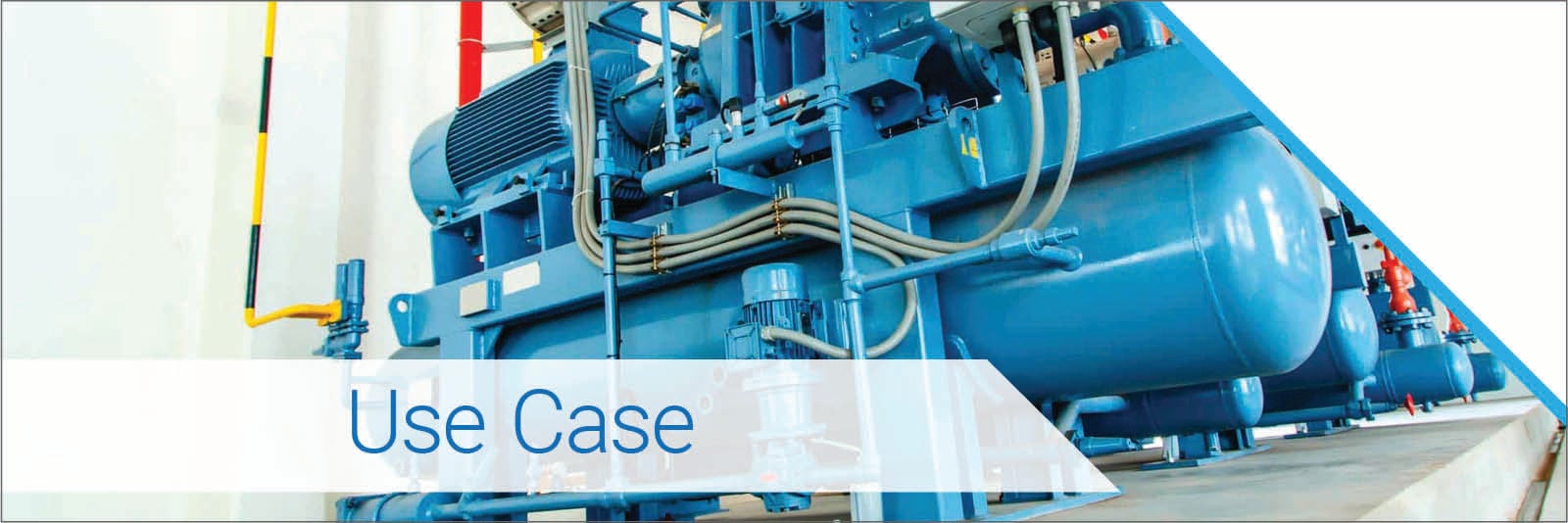
A large chemical manufacturing facility operating multiple pumping, transfer, and steam systems across a production unit. The application relies on hundreds of mechanical pressure gauges to monitor process conditions, maintain safe operation, and support maintenance decision-making in a demanding industrial environment.
Challenge
The facility required improved reliability and consistency across its installed base of pressure gauges. While overall maintenance practices were strong, a significant portion of gauges operated in severe service conditions, including vibration and pressure pulsation.
Additional challenges included:
-
Gauges operating well below optimal pressure range, reducing readability and confidence in measurements
-
A wide variety of pressure ranges and configurations, increasing spare parts inventory and maintenance complexity
-
Isolated instances of damaged, unreadable, or over-pressurized gauges that could impact safety and reliability if left unaddressed
Engineering Assessment
Ashcroft Critical Application Solution Experts® conducted a two-day, on-site pressure gauge survey, inspecting and documenting nearly 800 gauges within a targeted process area.
The assessment included:
-
Recording operating pressure, gauge range, manufacturer, and application conditions
-
Identifying signs of vibration, pulsation, elevated temperature, or material compatibility concerns
-
Evaluating gauge condition, readability, and suitability for the application
-
Analyzing pressure range utilization relative to ASME B40.100 best practices
The data was reviewed to identify trends, high-risk applications, and opportunities for standardization and improvement.
Solution
Based on survey findings, Ashcroft recommended a combination of product upgrades and application best practices, including:
-
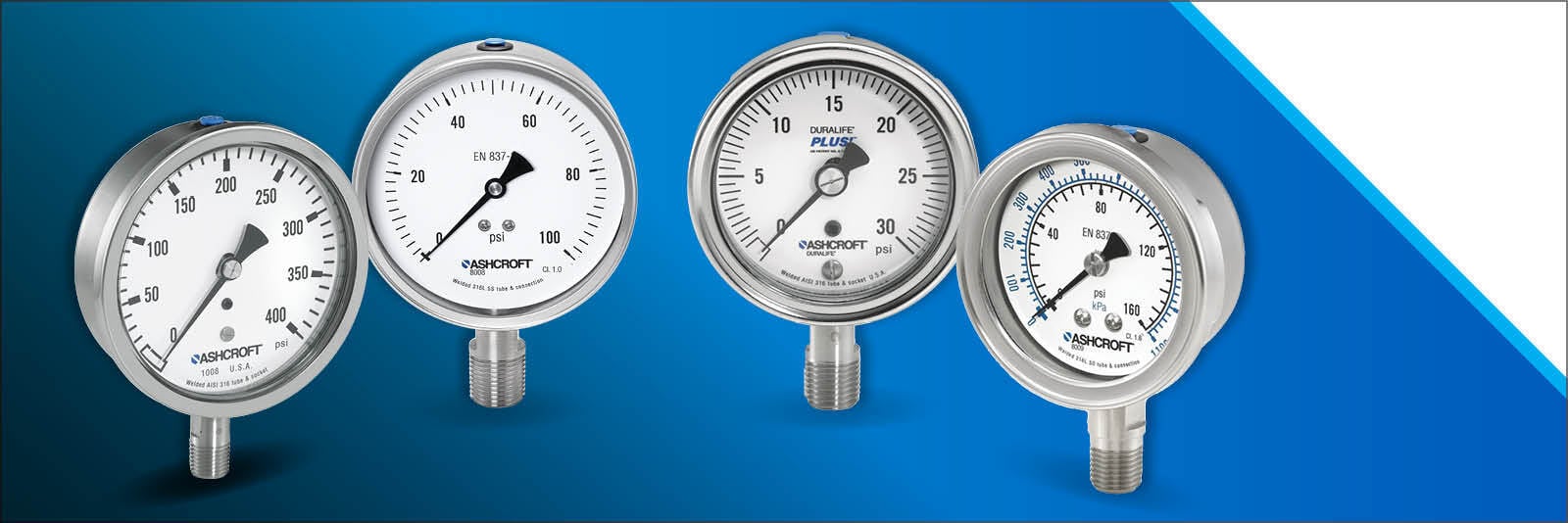
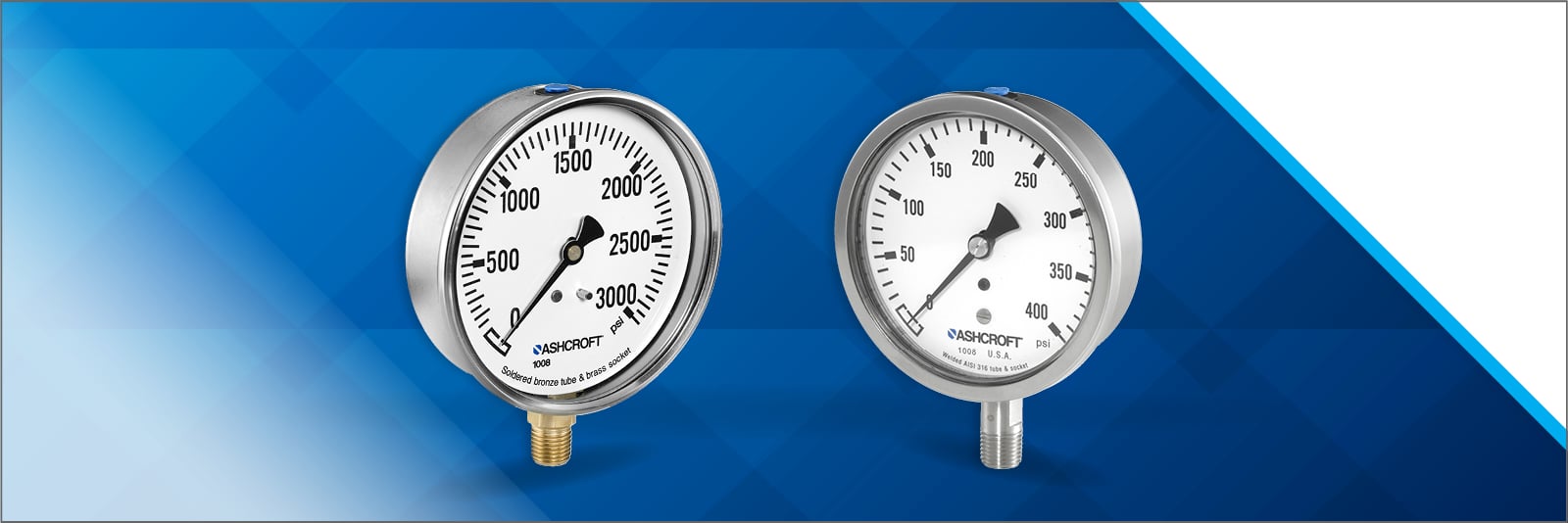
Standardizing inventory with pressure instruments designed for harsh chemical and process environments, including the Ashcroft® 1279 and 1259 Pressure Gauges
-
Confirming proper selection of diaphragm seal materials for corrosion resistance
-
Using PLUS!™ Performance or liquid-filled gauges with throttle screws in applications subject to vibration or pressure pulsation to dampen pointer movement and reduce mechanical fatigue
-
Improving pressure range selection so operating pressure falls within the recommended mid-scale range, to enhance readability and extend gauge life
-
Reducing the total number of pressure ranges in use to simplify inventory, maintenance, and replacement strategies
For steam applications, existing siphon installations were confirmed as effective in protecting instruments from elevated temperatures, supporting long-term gauge performance.
Result
The CASE survey and resulting recommendations provided the facility with a clear roadmap to:
-
Improve pressure gauge reliability and service life in severe applications
-
Reduce risk of gauge failure due to vibration, pulsation, or over-pressurization and corrosion
-
Increase operator confidence through improved readability and consistent gauge behavior
-
Streamline spare parts inventory by consolidating pressure ranges and configurations
Overall, the facility demonstrated performance above typical industry benchmarks, with relatively low rates of damaged gauges and strong adherence to recommended installation practices.
Key Takeaway
Even well-maintained facilities can benefit from periodic pressure gauge monitoring. Proper gauge selection, optimized pressure ranges, and application-specific features, such as liquid fill and throttling, play a critical role in protecting people, processes, and profits in demanding chemical processing environments.
Bob Pierce, Territory Sales Manager
Bob Pierce is the Territory Sales Manager (Channels/Distribution), responsible for 6 states in the Southeast Gulf Coast region. He started his career at Ashcroft in 2018 with 25+ years of experience in the fields of Instrumentation and Control Valves. Bob has a Bachelor of Science degree in the School of Business from the University of Alabama – Birmingham.